Understanding Server Setups
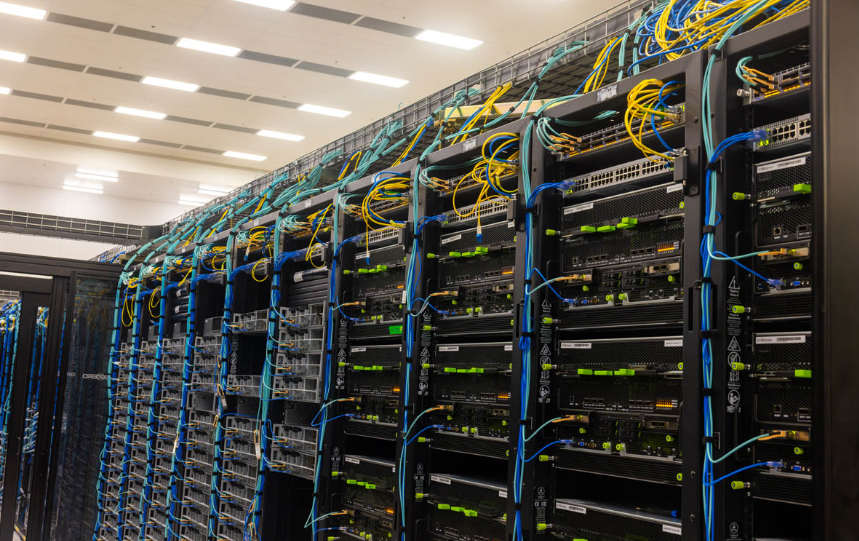
When it comes to selecting the best server setup in terms of single region and multi-region server setups, businesses need to weigh the needs of their infrastructure. The main distinction is that the resources of the server are distributed geographically. Single-Region arrangements are focused on centering resources within a single location and are ideal when organizations have a localized user base or when organizations are interested in streamlining operations. Multi-Region systems in their turn allocate resources to multiple locations, which are more likely to meet the needs of a global audience.
The structure you adopt does not only affect performance but also the scalability, reliability. Single-Region configurations can be relatively simple and easy to administer, whereas Multi-Region configurations usually demand a more complex planning to guarantee that the coordination of activities across geographic regions is well coordinated. The different types of setups also vary in cost, complexity of operations and latency considerations which should also suit your organization requirements.
Redundancy Planning Factors
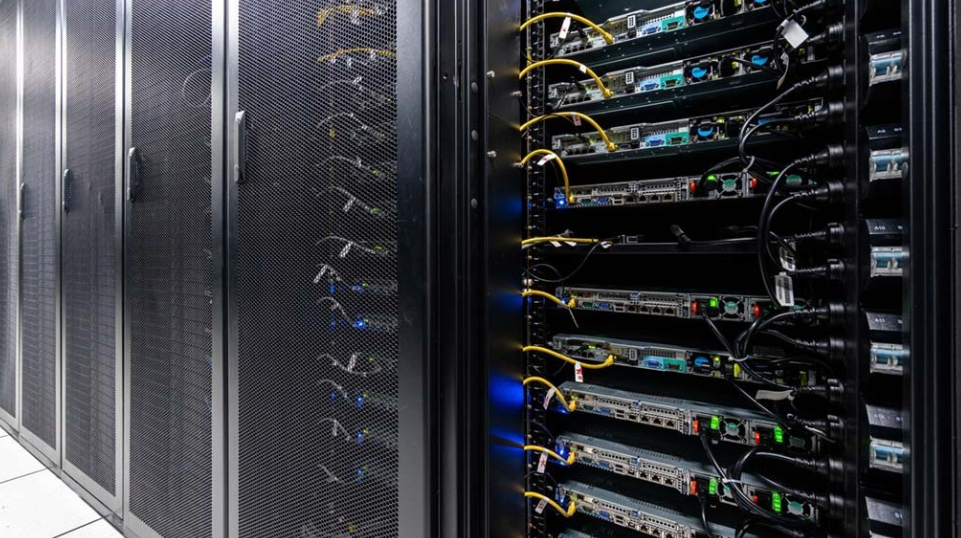
Also, the issue of redundancy and disaster recovery is important and businesses have to consider this issue carefully. To some it may be satisfactory to have the operations centralized at one location and leave it at that however to others it may be necessary to have a setup capable of withstanding interruptions in one location and leave it at that.
But to others it may be necessary to have a set up that can withstand interruptions in one location and leave it at that however to others it may be necessary to have a set up capable of withstanding interruptions in one location and leave it at that however to others it may be necessary to have a set up capable of withstanding interruptions in one location and leave it at that.
It is imperative to first understand these underlying differences before getting into the technical or budgetary decision-making process.
Benefits of Single-Region Setups
Single-Region server systems introduce a number of operational efficiencies that render them a viable option to some business. Organizations may have simplified infrastructure management by centralizing the resources of server resources in a single location. Less coordination points imply that IT teams can focus on maintaining a single site, and it is less likely to miscommunicate or oversee that can occur in more distributed systems.
Single-Region setups provide businesses with a more localized audience with tangible performance benefits. Close proximity of the servers and the users will minimize the time taken to transmit data and hence the high response rates that will improve the overall user experience. It is especially useful when there must be a low latency, like streaming or a regionally-specific gaming platform.
Another important benefit is that of cost efficiency. Centralization of resources can result in decreased overhead costs, such as hardware maintenance, energy use and personnel. This simplified process may enable one to easily assign resources and efficiently manage budgets without affecting the quality of services.
Moreover, since Single-Region setups are simpler to implement, updates and patches are quicker to implement since the changes only need to be deployed to a single site. This may result in quicker response times in keeping up with the changing user requirements or security issues.
Advantages of Multi-Region Setups
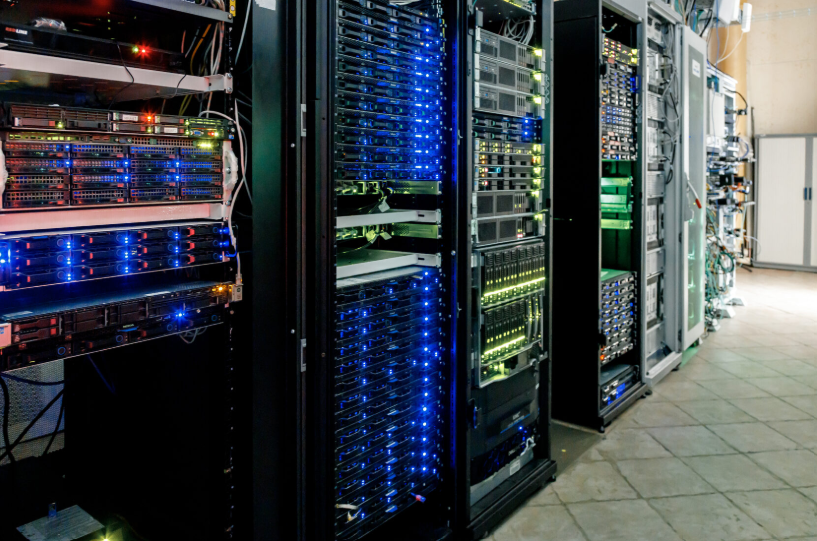
Multi-Region arrangements are highly effective in satisfying the needs of those businesses which have users in various regions of the world. Hosting servers in more than one location can bring about less latency because the data requests are served nearer to the physical position of the user. This can greatly improve the end-user experience, especially in applications where responsiveness and speed are paramount aspects of the application.
The other benefit is that it enhances resiliency that is brought about by spreading resources. By distributing servers in different locations, businesses gain a better protection against failure in a single location, like a disaster or power interruption. This geographic variation aids in ensuring that services are not disrupted when one area is faced with disruptions.
Multi-Region setups may offer improved load balancing to organizations that experience pronounced changes in traffic. Businesses can now manage demand spikes in a more efficient way by distributing resources in a dynamic fashion across regions, rather than overloading a single server location. This capability of managing fluctuating traffic patterns comes in especially handy when launching a product internationally, during a season, or with a product being advertised to diverse time zones.
Global Infrastructure Benefits
Also, Multi-Region configurations are used to demonstrate adherence to international laws, as they enable data to be stored within certain geographic regions. Some types of data must not leave the jurisdiction of many countries, and Multi-Region configurations help businesses to comply with these rules and regulations, and achieve the necessary service performance.
In addition, the Multi-Region infrastructures can ensure the fullest content delivery. With the tactical location of servers, those who need to download large files or stream media can experience faster downloads, reduced buffering, and a more seamless experience during large file downloads or stream media. This ability to localize content delivery to region specific needs provides competitive advantage in such businesses as e-commerce, media and entertainment.
Finally, companies that take advantage of Multi-Region configurations tend to get a better insight into their worldwide customer base by studying regional patterns of usage. This knowledge can be applied to formulate strategic business decisions, such as entering into new market segments or providing tailored services to specific segments of users.

Factors to Consider
When considering Single-Region server and Multi-Region server setups, you should consider how well each will fit your operational objectives with your business. Scalability is a key factor to consider, since the possibility of accommodating future growth lies in the scalability of your preferred setup. Single-Region setups can be a good fit to businesses with a steady, predictable demand, whereas Multi-Region setups can be better applied to business with dynamic or rapidly expanding operations.
The other essential factor is the amount of technical knowledge in your team. Single-Region installations are typically less complicated to control, need less supervision and fewer assets. On the other hand, Multi-Region configurations can be very demanding in terms of some of the highest technical skills just to coordinate servers across locations, monitor performance and maintain uptime.
The reliability of the network and disaster recovery are also important factors. Companies have to consider the possible consequences of outages within the selected configuration. A Single-Region configuration puts risk in a single region, which may cause service disruptions during local problems. Multi-Region configurations, on the contrary, provide superior protection, as resources are distributed, but this also may add a new layer of complexity.
Infrastructure Compliance Considerations
Furthermore, it’s essential to analyze the legal and regulatory environment where your business operates. Laws pertaining data protection vary significantly among countries and data compliance may even influence the location and placement of your servers. A Multi-Region architecture can assist in achieving data residency needs, though companies should consider the administrative and legal burdens that this will create.
Lastly, consider customer expectations for speed and performance. Companies with customers across the globe might require the geographic diversity of a Multi-Region set up to assure them of a lower latency and higher response rate. A Single-Region arrangement could offer an ideal trade-off between performance and simplicity, in case of a smaller regionally-focused customer base.
Potential Challenges
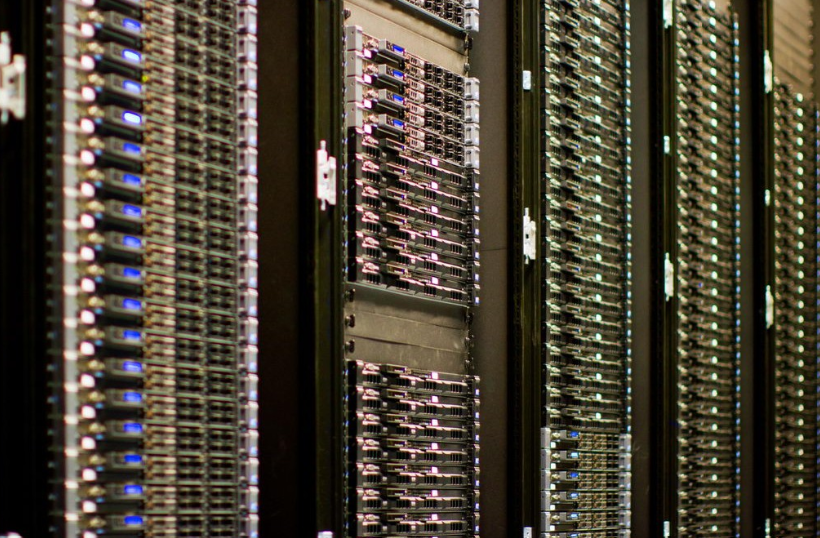
A Multi-Region configuration can frequently require a well-developed level of coordination and highly technical expertise. Management of multiple locations of servers can be complex and thus can lead to difficulties in synchronization of data, maintaining consistent performance and ensuring seamless communication between locations. The teams need to install monitoring tools that would be able to monitor performance metrics in all the sites, which can contribute to the workload and the operational costs.
Another important criterion is cost. Multi-Region networks are generally costly to implement as they require new facilities, bandwidth and other knowledgeable personnel. Companies might discover that it is easy to grow such an architecture to quickly spiral the costs, especially when high availability and redundancy rates are maintained.
Security issues may also be increased in a distributed environment. As servers, which serve businesses in different geographical locations, the businesses are at a greater risk of cyber threats and vulnerabilities. The need to ensure that there are solid security measures at all locations requires a lot of work, particularly where there exist local compliance guidelines or regional legislation on the protection of data.
Infrastructure Scaling Challenges
Resource allocation may be especially problematic when it comes to businesses, whose staff is smaller or the budget is limited. Operational priorities combined with troubleshooting operational issues in various regions may often place internal teams at a stretch and this may have effects in terms of service delivery.
Network latency may occasionally be an issue in Multi-Region configurations particularly when there is an inefficient allocation of resources. Discrepant designs can cause slower reaction times to some of the user groups which could affect customer satisfaction.
Single-Region setups, on the other hand, do not lack in limitations. This option will be susceptible to localized outages, both due to technical failures and external sources of disruption. This is a focal risk which can cause a considerable downtime in case there are no adequate contingency plans in place.
Lastly, business requirements may be changing and this may complicate the initial decisions. The configuration that will support the business well in the short term might not fully support future scalability and/or changing regulatory requirements and business has to re-evaluate and probably rebuild its infrastructure in future.

Making the Right Choice
The decision between the Single-Region and Multi-Region server configurations is based on the balance between the short-term and long-term objectives. Organizations ought to consider the geographical distribution of their audience and to measure the effects of the server location on the users. In cases where the performance and cost goals are well achieved, a Single-Region configuration can be a viable solution in situations where the company has got customers that are localized. However, the Multi-Region configurations could be more beneficial with its flexibility and resiliency.
Operational priorities like scalability, data residency, and disaster recovery need to be taken into consideration in your decision. Although Single-Region configurations are easier to manage and less overhead is required, risk centralization is in place and it may not suit the continuity needs of all businesses. Multi-Region arrangements, in contrast, spread risk, but require more technical expertise and resources.
The other consideration that you can consider is how your infrastructure will be in a position to meet any regulatory requirement that may be industry specific or a requirement that is based on data storage geographically. These aspects can change the feasibility of your server setup, as your business expands or enters new markets.
Finally, it is important to know how your set up promotes growth and customer satisfaction. An appropriate assessment of your operational requirements and constraints will assist in steering you towards the arrangement that will give the most value and enable the further development.
Turn server setup knowledge into real performance. Partner with OffshoreDedi for reliable, optimized infrastructure.