Introduction to Micro Data Centers
The constantly increasing demand of faster data processing and connectivity without any interruptions is influencing the development of the digital infrastructure. Micro data centers are coming out as the most critical solution to address these needs.
These small-scale systems are also developed to be close to the point of data creation unlike their large-scale counterparts and therefore, provide a localized response to information treatment. They are also highly versatile with many applications as they are modular and come with all the key features like cooling, storage, and networking capabilities.
This localization processing is in response to the growing need to move to applications with low delays and more efficiency. The distance found in the traditional data centers which are usually located distant to the urban centers limits them in terms of responding to the urgency of the new technologies. Micro data centers fill this gap by offering locally-based data processing, which is essentially lessening the pressure on central data centers.
They are designed with the focus on portability and their easy deployment, which is necessary in the environment with time and space limitations. Urban environment to remote locations, these small units can be configured quickly offering businesses and organizations an aspect of agility that traditional data centers can hardly attain. This is particularly helpful in such industries in which the normal running is a pivotal one and any disruption can be disastrous.
Furthermore, as the digital ecosystems are becoming more complex, decentralized solutions have been more in demand. Micro data centers would be appropriate to address this complexity in that it is ensured that key functions could be maintained at the local level.
This has made them a favorite among businesses that are trying to future-proof their systems through their capacity to smoothly combine with the current system and enhance general performance. This centralized, lean way of data control corresponds to the new, technologically advanced world.

Benefits of Proximity
When micro data centers are positioned closer to users, they deliver faster access to essential services and applications. This localized setup significantly benefits industries and individuals that rely on instantaneous data exchange. By eliminating the need for data to travel long distances, micro data centers ensure quicker and more efficient processing, allowing users to experience seamless connectivity and reduced wait times.
Proximity is also very important in enhancing functionality of applications that require real-time performance. They are such technologies as augmented reality, virtual reality, and autonomous systems, in which any slightest delay can influence results.
Having the micro data centers handle the data at the local level, these systems will be capable of operating more precisely and responsively which will improve the overall performance and reliability.
In the case of companies with time sensitive processes, proximity may translate to lesser disruptions and continuity. This is especially so in those situations where any time lost can result in operational failure or dissatisfaction among customers. The company will be able to serve its processes more effectively and at the same time, keep the quality of the services high by locating data centers closer to each other.
Proximity to users also helps in minimizing network congestion in addition to increasing the performance of applications. Micro data centers offload the responsibility of larger networks since they can become congested with traffic by processing and storing data locally. This kind of local approach will minimize the bottlenecks and enhance the transfer of data that is useful to both the end users and the providers.
Besides that, the local data management will help to consider the compliance and regulatory standards, which are applicable to data sovereignty. In the case of industries that deal with sensitive information, MDCs within close proximity will ensure that stored and processed data is with regard to specific geographical localities, which are beneficial in privacy and legal considerations. This solution is proximity based and besides enhancing trust, it makes it easy to comply with strict industry standards.
Where there are many devices that have interconnections, proximity guarantees more effective management of continuous information streams. Whether for smart manufacturing processes or connected transportation systems, micro data centers positioned closer to operations allow for better monitoring and control of critical systems. This tailored approach provides the agility and efficiency required to manage dynamic, data-driven environments.
Challenges Addressed by Micro Data Centers
One pressing issue faced by many businesses is the inefficiency caused by relying solely on centralized data centers. In cases where the data has to be taken over a long distance to be processed, it may lead to slower response time and strain on the network.
Micro data centers solve this by providing the ability to do data processing locally, which has a great performance enhancement in the situation when delays are not tolerated.
Another challenge lies in the rising demand for scalability within the digital landscape. With the increasing businesses or the increased activities, the necessity to use flexible infrastructure arises. Micro data centers are scalable resources that offer organizations the capacity to add resource increments. It allows the removal of the necessity of huge investments with great initial cost in the development of massive infrastructure renovations and provides flexibility to meet changing data requirements.
Another issue is energy consumption, which is on the increase despite the fact that the amount of data used worldwide only continues to increase. Micro data centers are usually designed to be energy efficient and this aspect allows them to save on the total power consumption without effects on performance. Such a focus on performance helps in sustainability efforts and in accordance with goals of minimizing operations costs.
There are also the factors that have been occasioned due to the shift towards a decentralized system and have made it hard to maintain network security. Centralized data centers are also available and hence high stakes in case of cyberattacks as the centralized system holds vital information.
Micro data centers, in contrast, spread information to various locations, and the threat of a massive breach is reduced. Besides, the local data processing can enhance the privacy of the data by reducing the availability of sensitive information in the transmission process.
Failure to have reliable infrastructure in regions where businesses are located can be a major challenge to the business especially in remote or isolated regions. Micro data centers are also effective to tackle this problem since they can be implemented in difficult locations when traditional data facilities cannot be implemented. This will mean that geographically remote areas get access to the computing power that is required to get modern technologies into effect.

Impact on Industries
Micro data centers are stimulating significant innovations in numerous areas by allowing playing a data processing role in a localized manner and greater efficiency. They promote the shift to smart manufacturing in the manufacturing sector whereby the interlinked devices must be monitored and analyzed in real-time to maximize production lines and minimize downtime.
The micro data centers can help manufacturers to install predictive maintenance so that they can have their machines to perform optimally by the processing of data in the area.
The micro data centers can be used in the retail sector to improve the customer experience, achieved real time inventory management and customized marketing solutions. They will allow faster processing of information about customers, which will help retailers respond to the change of demands immediately and help to achieve the general satisfaction.
There is also an opportunity to process more locally, which allows introducing modern technologies, including an in-store augmented reality, smoothly.
The micro data centers help the transport industry in improving the functionality of the vehicles which are connected and intelligent transportation systems. Localized data processing makes sure that communication between vehicles and infrastructure is fast and that is essential to traffic control and autonomous systems safety. These opportunities allow organizing the logistics and the fleet management to a greater extent and reducing delays and regulating fuel consumption.
With energy and utility providers, micro data centers would assist them in handling the distributed sources of energy and in assistance with smart grids. They will enhance efficiency and dependability of energy distribution in remote areas or rural areas since they enable real time processing of data. This is also a local strategy that helps the providers to be sensitive to the evolving energy demands and integrate renewable energy sources in a more effective way.
The use of micro data centers is quite applicable in the implementation of high-quality streaming services in the media and entertainment sector. They also reduce the latency and maximize content delivery network performance such that the user experiences fewer interruptions even in peak times. They also have an extended computation capacity, which is needed in the new applications in the future like live virtual reality broadcasts which demand real time responsiveness.
Micro data centers also allow the industries to adopt newer technologies as well as simplify their operations through the incorporation in diverse environments so as to meet the growing needs of instant data processing.
Future Trends in Micro Data Centers
With the continued development in the sphere of technology, micro data centers will also find more application in the development of digital infrastructure. The use of artificial intelligence and machine learning during the simplification of their operations is one of the new trends. Having these improvements, the management of resources may now have been possible in a wiser way, creating a proactive maintenance, and better job in monitoring performance and reliability.
It is also hoped that with the introduction of 5G networks, it is also expected that a micro data center operation will also evolve by introducing additional functionality. Such centers will be in a position to serve real-time applications more effectively, such as autonomous cars and highly developed IoT ecosystems as they will be linked quicker and with lower latency.
This collaboration of 5G with micro data centers will lead to the development of opportunities in the industries that require high-speed and low-latency infrastructure.
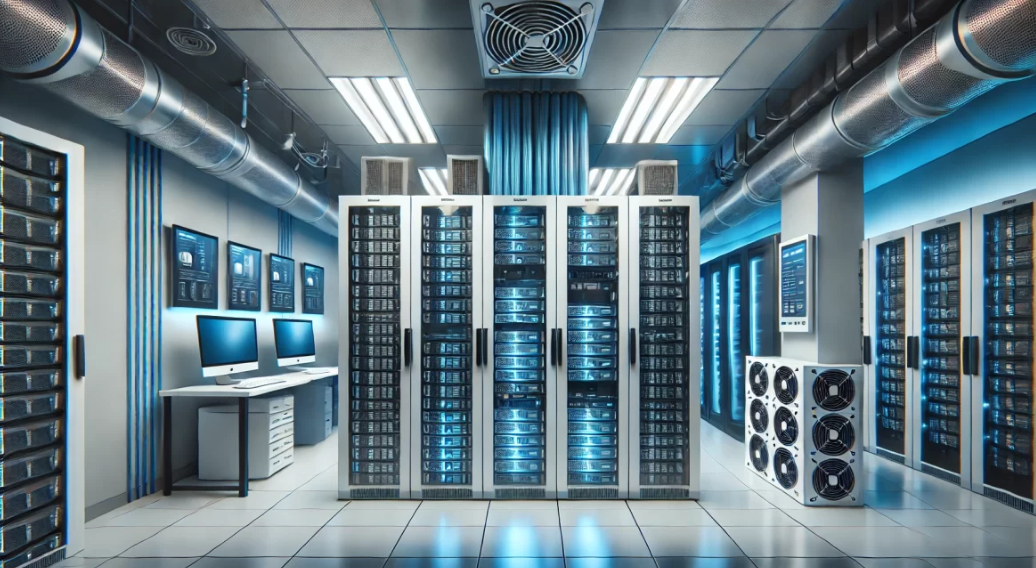
The modular design is likely to be expanded further in the future with the appearance of more flexible and scaleable systems. With business companies still focusing on flexibility, manufacturers are making models that are customizable to a particular requirement and easy to deploy. This plan will make the micro data centers not to become old and able to fulfill different operational requirements.
The other consideration that would be applied in the future development is the sustainability. The development of energy efficient parts and integration of renewable energy will help lower environmental impact even though the performance will remain high. Also, more efficient thermal management could be offered by the developments in liquid cooling systems, which would help to increase energy efficiency further.
With the increasing need for secure data management, micro data centers will also benefit from improved encryption technologies and enhanced physical security features. These updates will contribute to fulfilling the increasing privacy and regulatory demands in different industries.
Lastly, micro data centers will assume an expanding role in the future as edge computing keeps growing to be a connecting point between centralized data centers and endpoint devices. This tendency indicates that they are essential to sustain the next generation of digital services and applications, as well as become a part of modern infrastructure.