
Introduction to Server Slowness
In the modern digital environment of high-speed operation, customers demand immediate feedback on the actions of servers, no matter what the situation is. Nonetheless, a server may still fail to work effectively even in case of traffic. This problem is usually an outcome of numerous factors that are not necessarily apparent.
As an example, the performance of a server may be affected by the optimization of its systems to support even simplistic operations. Inefficiency that may be caused by mismanagement of resources or neglected technical aspects can impact on speed and responsiveness.
The slowness of the server can be quite annoying, since it derails the working processes and it might make the user frustrated. Although it is anticipated that heavy traffic is the primary cause of delays, there is more than just that.
The problems may be related to the configuration, the components of the environment, or the server itself. It can be in physical detail, in the software running inside it, or even externally, the variables that can be included are innumerable. One must also look at the big picture in uncovering the causes of the slowdowns.
Also, a server is not operated as an isolated system, but rather it forms part of a bigger system and it relies on a seamless cooperation of hardware, software, and network resources. Any loss or imbalance in these areas may result in observable delays, despite the low levels of usage.
The challenges are better identified at an early age to prevent setbacks in performance. Even the minor inefficiencies should be noticed by server administrators because they may soon become massive, having an impact on the general reliability and end-user satisfaction. You can get to know better the dynamics of why a server could go down at any time, by investigating the underlying cause.
Hardware Limitations
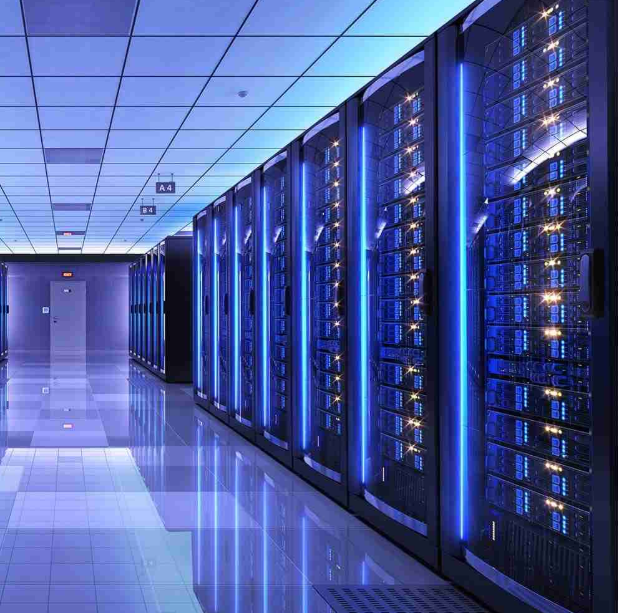
Hardware constraints tend to be a significant contributor to the slow performance of a server when it comes to its analysis. The hardware capabilities are stretched to extremes as the workloads get more elaborate. The CPU and RAM are the key elements necessary to cope with the work effectively, and any disadvantages in these aspects can lead to obvious delays. An example is that lack of processing power can lead to delays in processing even simple requests and lack of memory can limit the server to serve several processes at the same time.
Storage devices are also very important in responsiveness of the server. The traditional hard drives that use mechanical components are very slow compared to the modern solid-state drives (SSDs). Servers that use a storage technology that is outdated and has lower read and write rates might slow down the lag in data retrieval. Also, storage with its capacity can cause the system to not work correctly since there may be a lack of space to store temporary files and operations that need disk space.
In addition to personal elements, the interaction of these components influences performance. Lack of integration or hardware incompatibility may lead to issues of inefficiency that may not be realized immediately but can accumulate with time.
This is particularly relevant to the situation in which hardware has to support newer technologies or virtualized workloads. The elements that may need an in-depth examination of the server arrangement may be necessitated by the need to fix hardware limitations that may not conform to the desired performance objectives.
Software Configuration Issues
The configuration of the software has a direct influence on the efficiency of the servers and can be a latent cause of issues. Poorly selected settings passed unnoticed may introduce bottlenecks which are impeding performance. Such as, database errors of configuration can contribute to slower response times on queries especially when connection pools or indexing is not configured to the workload. On the same note, ineffective allocation of memory in the server settings can lead to inefficiencies in the processing of processes.
The other problem is software bloat, in which it is unnecessary applications or services that are running in the background, and they are utilizing resources that would otherwise be used in other areas. This may be enhanced by logs or temporary files which are not taken care of and occupy valuable system space in the long run. Moreover, the problem with task scheduling can also occur when the processes are not prioritized properly which leads to delays even under light load.
In some cases, old or poorly installed plug-ins may interfere with system configuration and become inefficient or crash. Moreover, it is possible that in case no load balancing settings are maintained, a certain section of the system will be overwhelmed with more work than it is intended to do, with the result of uneven resource distribution.
There are also issues that arise due to over dependence on default settings because the generic settings might not be adequately configured to the needs of your particular server. Every setting needs to be adjusted to some fine-tuning according to the specific demands.
Seeing how the software setup of the server is, by taking a closer look at it and handling these problems when they occur, the administrators will be able to reduce the slowdowns and improve the overall performance of the system.
Network Problems
In the case of the slowness of servers, the network issues tend to be important. Even under light traffic a network infrastructure that has not been optimized may cause unwarranted delays in data transfer. The problem of poor routing is among the most frequent: inefficient routing means that the data packets are sent on the long routes in which they may not need to be.
This may be due to old routes settings or absence of backup in the network system. Also, the bandwidth restrictions may slow down the data flow especially when the connection of the server is not in accordance with the needs of the environment that it serves.
Bottlenecks may also be caused by misconfigured network settings. In a similar case, misconfigured firewalls or load balancers may unwillingly reduce the speed of data processing. On the same note, lack of prioritization of some forms of traffic such as time sensitive requests can also lead to the poor response times at the server. The other problem is the loss of packets, when the data packets are not delivered to its destination because of errors in the network, and the server is made to re-deliver them, further delaying the operations.
Other external influences, including the malfunction of the internet service provider or the use of old networking devices, can also impact the speed of the servers. The old or broken network equipment, which may be routers or switches, can cause diminished total efficiency, so the server may not do its best. These network issues should be identified and solved in order to preserve a responsive server environment.
Security Threats and Malware
Security threats such as malware may have a serious effect on the efficiency of the server by taking up critical resources and creating serious decelerations. Hackers tend to install malicious programs into systems using a gap in the system that consumes resources in the form of CPU, memory, and bandwidth, which would otherwise be used elsewhere to perform other valuable activities. In other instances, such threats may change or corrupt crucial files of the system causing unforeseen crashes or irregular performance.
The other urgency is unauthorized access as the attackers might use weak credentials or unvulcanized vulnerabilities to take over your server. Having gained access they are able to run malicious scripts, intercept sensitive information, or use the server to do illegal work, which overloads the server. Distributed Denial of Service (DDoS) is one of the most frequently used techniques, and a hacker will overload servers with unnecessary requests, making them inaccessible even in times when the genuine user traffic is at its lowest level.
The servers are vulnerable to changing threats due to old security settings that include poorly secured firewalls or absence of intrusion detection applications. The risks can easily be overlooked unless security audits are conducted on a regular basis, and the malicious acts continue.
Moreover, phishing or spoofing attacks against the network components can result in the loss of access points, which further decrease the performance of servers. The establishment of strong security measures and keeping aware of the new threats are necessary to control the effects impacts of malicious practices on the functionality of servers.

Maintenance and Upkeep
It requires frequent maintenance so as to prevent unjustified slows and to make sure that your server is performing well. Unneeded files, logs, and temporary information may grow over time consuming both storage and systems resources. It is always good to clear up such items every time to create more space and make sure that the server can work in optimal conditions.
Also, the health of the monitoring system should be included in maintenance since administrators can notice the warning signals such as disk space limitations, a sharp rise in memory consumption, or physical equipment wear and tear before they develop into larger issues.
The other major feature of maintenance is software updating. The existence of old operating systems, applications or drivers may create inefficiencies and compatibility problems. Patches and updates should be implemented regularly in addition to being used to solve any security vulnerabilities that might exist, as well as enhance the overall functionality. Likewise, the old firmware of hardware components cannot be ignored since it may affect performance in the long run.
Routine maintenance can also be automated. Such operations as disk cleanup, log rotation, and system monitoring can be automated in order to provide less manual control but make sure that the process is carried out regularly.
In the case of organizations that use more than one server, organizations that need to centralize their management tools can find it easier to manage maintenance of a network and save on time and resources. A properly maintained server will have fewer avoidable troubles, which will assist in providing the user with a quicker and more dependable experience.
Conclusion and Solutions
The issue of server slowness needs to be tackled in a wholesome manner by focusing on areas that affect performance. First, examine the current configuration of your server to find the possible bottlenecks, e.g. the hardware of the server is not effective or the software used is not efficient. Hardware improvements such as switching to SSDs or adding more memory can also be very useful in improving response time.
Equally, software optimization of configurations can guarantee the efficient utilization of resources and the reduction of the background operations that are not required. Another important step is network optimization. Check on your infrastructure of old equipment’s or improper settings that may restrict the speed of data transfer.

Delays can also be minimized by ensuring that the load balancing is properly done and that the routing is also done efficiently. The security should also be top priority. Improve security through installation of the modern firewall, the intrusion detection technology, and regular audits of systems so that the likelihood of malicious attacks that may drain resources is minimal.
Finally, develop a good maintenance policy to keep your server in a good condition. The process of automating such actions as the management of logs and the monitoring of the system could smooth the work and allow avoiding unnecessary complications.
These two strategies can be used together to address the root causes of low server performance and build a more trustworthy and effective environment. Preventing disruption by managing proactively will also enhance user satisfaction thus enabling your server to achieve its performance objectives on a regular basis.
Stop slow server performance despite low traffic. Choose OffshoreDedi for optimized infrastructure built for speed in 2026 and beyond.