Introduction to Data Center Downtime
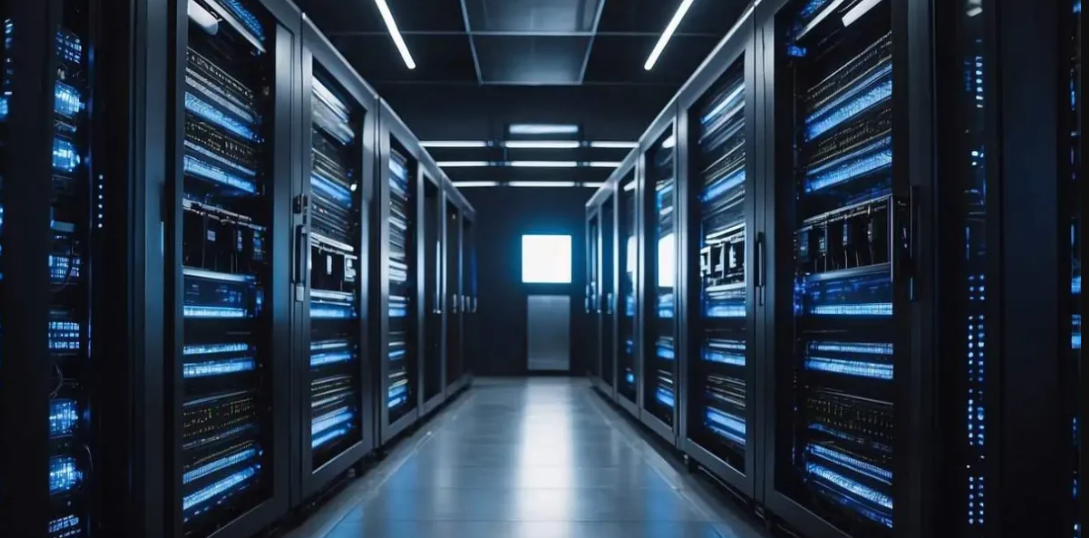
The modern business activity largely relies on such a critical part as data centers, which are used to store, process, and manage huge amounts of information. These facilities are designed to maintain uninterrupted service, yet they are not immune to interruptions. Unscheduled downtimes may take place unexpectedly and could cause serious problems to businesses which is the reason why it is important to see how such problems occur, and the resulting impacts.
Depending on the nature and length of the problem, every organization can be affected by the downtime of a data center in diverse ways. Whether caused by technical failures, external events, or human factors, the ripple effects of an offline data center can extend far beyond the initial incident. For industries heavily reliant on continuous digital access—such as e-commerce, healthcare, and financial services—the stakes are particularly high.
With businesses becoming increasingly dependent on digital infrastructure, the importance of a robust response plan grows as well. The occasions of outages may result in disruption of the workflow and performance of the operations associated with the delivery of services. It requires companies to be ready to tackle these issues at the earliest in order to save the negative consequences.
Learning how to analyze the sources that trigger downtimes, the weaknesses data centers have to deal with, and ways to resolve them is critical to promoting resilience. Even though some disruptions cannot be avoided, preparation and strategic planning can play a major role in determining the speed and effectiveness with which a firm can be able to respond to such incidents.
Causes of Data Center Outages
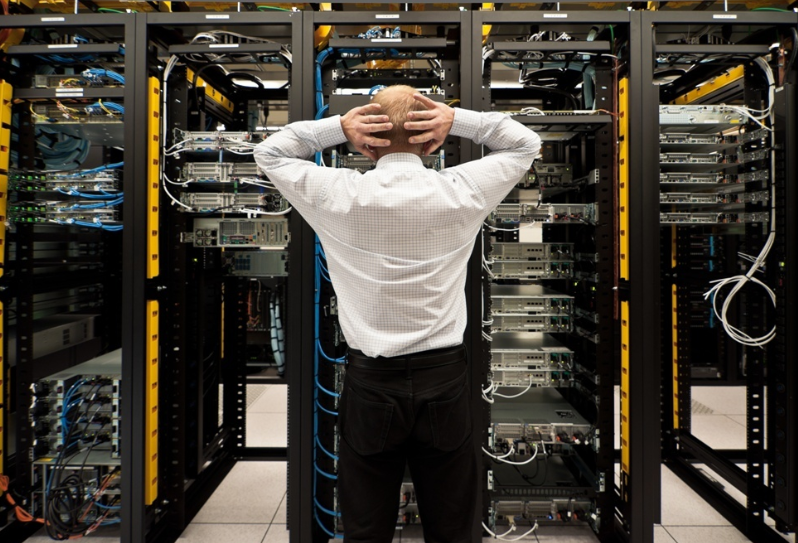
Data center outage reasons are varied and may affect highly important processes without any warning. Electrical malfunctions are also an issue of key concern because systems can be shut down at any given time in case of electrical issues. While many data centers are equipped with backup power solutions, such as generators or uninterruptible power supplies, these systems can fail if not properly maintained or if the outage exceeds their capacity.
Another trendy adversity is the equipment failures. On servers, storage sub-components and also the networking hardware itself can go wrong, whether naturally, through their part-wear out, or through unexpected technical problems. Such failures may lead to connectivity problems or the inability to use important systems. Environmental factors within the data center itself, such as insufficient cooling or ventilation problems, can exacerbate hardware failures, especially when systems overheat.
External events also pose significant threats. Natural disasters, including floods, hurricanes, or wildfires, can damage infrastructure or disrupt access to facilities. In such cases, even data centers located in areas considered safe from certain disasters may face cascading issues, like network interruptions from affected regions.
Human error is another frequent contributor, whether through accidental misconfigurations, software updates gone wrong, or even physical mistakes like unplugging essential equipment. Other security problems such as cybersecurity threats make operations even more problematic, which may be overwhelmed by a breach or an attack on the system like Distributed Denial of Service (DDoS) attacks, and they become unavailable and unusable.
Although in each data center, there are measures to eliminate the effects of risks, the combination of technical, environmental, and human issues provides opportunities to emerge, and the correlation leads to complicated problems, the protection of which is continued.
Immediate Effects on Businesses
When operations are interrupted due to a data center outage, businesses often experience disruptions that cascade across multiple departments. Internal processes reliant on digital infrastructure, such as inventory management, data analytics, or customer service, may be brought to a standstill. This may cause bottlenecks hindering the decision-making and the daily operations. It could also affect communication channels such as email and messaging platforms and thus teams may not coordinate well.
In the case of businesses that involve the delivery of digital services, downtime may cause a gap between the business and the customers. Subscription-based platforms, for example, may face user cancellations if access is unavailable during critical periods. Also, enterprises face the risk of unforeseen expenses when they need to relocate their resources to tackle the failure and pay rents on temporary equipment or scale cloud-based services.
Logistics in the supply chain can also be impacted especially to those operations which are highly dependent upon automatic surveillance of orders and distributions. The failure of these systems may result in delays and ineffective communication, and even the loss of the trust of the business partners.
In regulated industries, such as healthcare or finance, outages can introduce compliance risks if systems critical to reporting, security, or data integrity are unavailable. This does not only affect the business continuity, but it can incur fines or legal consequences. Generally, downtimes financial and operational costs are such that businesses need to take swift actions to reduce the cascading results.
Impact on Users and Customers
In the event of system failure customers are usually left with a situation when they are unable to find the necessary services or platforms, which are important to them. This may be particularly problematic in time-sensitive actions, e.g. online transactions, streaming, or use of time-sensitive applications. Such interruptions are a problem because they break down the user work and everyday routine creating frustration and dissatisfaction.
In industries like e-commerce, even a short outage can result in abandoned shopping carts and missed sales opportunities, as users are likely to seek alternatives that provide uninterrupted service. Similarly, for subscription-based platforms or digital tools, users may lose confidence in the service provider’s ability to maintain reliable access, prompting them to explore competitors.
There is also the possibility of outages which may pose a challenge to the other users attempting to contact customer support to seek assistance. In the case of businesses that provide live support lines, such failure leads to an inability to resolve user issues and frustration rises on both sides.
To the corporate clients or the enterprise users, ripples can extend. Hosted software, data storage or 3rd party solutions can cause delays or failure in their operations. Any form of loss of access takes a toll on their productivity and consequently their customer entitlement.
With time consumers might start feeling that service instability is synonymous with the company and this might cause permanent loss of trust. Such erosion may not be easy to counter especially where substitutes are touted to offer increased reliability.
Recovery Process
Restoring a data center after an outage requires a coordinated and methodical approach to ensure systems are brought back online safely and efficiently. The first step in the restore most of the times is to isolate and protect the affected systems before any additional damages or complexities can be met. IT teams will then evaluate the scope of the problem, be it in either the hardware, software, or connectivity outages, to come up with a focused response plan.
After establishing the root cause, a team is made to repair the systems that are vital to business operations. Backup solutions, including replicated data and failover systems, are activated to restore functionality while repairs are underway. Suppose environmental or external factors, such as overheating or natural disasters triggered the outage. As such, other measures can be implemented to stabilize the facility and mitigate the situation prior to powering up of equipment.
Communication is imperative during the recovery process. Internal teams and external clients, who are considered as the stakeholders, need to be updated on the progress and timeframes within which the situation is supposed to be resolved.
In cases where significant data or system configurations were lost, IT teams may need to perform detailed restoration procedures using stored backups or archived configurations.
Testing is an integral step before fully resuming operations, ensuring all systems are stable and performing as expected. Any anomalies detected during this stage are addressed immediately to avoid further disruptions.
Preventive Measures
One of the ways through which businesses can minimize downtime risks is based on the implementation of strategies aimed at reducing vulnerability associated with the system and that of increasing system resilience. Among the most prominent strategies, it is crucial to invest in innovative monitoring systems in order to monitor the health of a system and identify non-standard situations in real-time.
This enables the IT teams to resolve the possible complications prior to their development into serious disturbances. Setting up proper disaster recovery measures such as testing of failover systems and backup on a regular basis will mean that key functions are restored within a short time during an outage.
This implies that data centers ought to have redundancies built into the systems e.g. two power supplies, and multiple network routes; this will allow them to remain up in an event when their primary systems are out of commission.
Strict procedures on software updates and alterations in the system can mitigate the chances of human failure which causes outages. Proper training for staff handling sensitive systems further minimizes risks associated with misconfigurations or accidental mishandling of equipment.
Regularly inspecting and upgrading aging hardware is equally important to avoid unexpected failures. Advanced cooling and environmental control system can also be used in data centers in order to ensure that the equipment will perform perfectly under operating conditions.
With such proactive procedures, business establishments will be in a better position to safeguard their digital infrastructure by minimizing the extent and occurrence of interruptions.
Future of Data Center Reliability
The future of data centers is being influenced by technology as the sector is driven by enhancing data centers in terms of reliability and flexibility. Advancing tools with artificial intelligence and machine learning are assisting in predictive maintenance, to bring to the fore the things that may be wrong before they result into failures. The systems are able to process real time data on large volume of operational data to provide insight that enhances efficiency and downtimes.
Modular data center design integration is also catching on that can allow scalable infrastructure to be implemented fast to produce infrastructure that can match changing demands. The security control of zero-trust development and elevated encryption schemes is as well there.
The other innovation is on sustainability where renewable sources of energy are being embraced as well as energy efficient cooling systems. Such innovations do not only have a smaller environmental footprint but also make operations more secure and economically sustainable.
Guided by the movement to edge computing, clienteles are increasing reliability by moving workloads near end-users, lowering latency times and possible sources of failure. As these technologies continue to develop, data centers can better prepare to be more resilient, safe, and responsive to ensure businesses stay flexible within an evolving digital landscape.