Introduction to AI-Orchestrated Server Environments
The introduction of artificial intelligence in the server environments has led to tremendous shifts in management of IT systems. Through the use of AI-powered tools, organizations will be able to automate processes that are difficult to manage, which will make server management a smoother and dynamic process. This process removes most of the manual processes that were initially needed and clears up the space to develop the IT professionals into more strategic goals.
The AI-Managed Server Environments rely on the next-generation machine learning that tracks and examines the performance of the system. Such systems are able to identify abnormalities, anticipate possible malfunctions, and make real-time changes to ensure the optimum functioning of servers. This dynamism can be applied to ensure that, resources are well utilized and the issues which might crop up are resolved before they get complicated.
AI Server Resource Optimization
The other factor that is important in these environments is that they are scalable. The conventional server management is often unable to achieve the pace of the dynamically increasing data demands, but AI is capable of scaling the operations easily in accordance with the workload and usage trends. This flexibility renders it especially useful in companies whose resources requirements are irregular or unpredictable.
Also, AI can be used to make intelligent predictions. Through historical analysis and past usage patterns, such systems are able to forecast the future needs and distribute resources based on the needs. This has been proactive and not only leads to improved efficiency in operation, but also to minimization of waste, which enables the businesses to achieve their objectives in a cost-effective way.
The precision in the management of servers has been necessitated by the fact that industries are becoming more dependent on cloud-based systems and digital technologies.
The increasing complexity of IT ecosystems can be remedied with AI, and it gives the businesses a means of remaining competitive in a constantly evolving environment. This change of strategy is transforming the way organizations perceive their IT infrastructure and they are pushing to be more innovative as well as focusing on agility.
Advantages of AI in Server Management
The AI-related server administration is linked to the groundbreaking improvements to the IT operationality, specifically, the improvement of the overall productivity and resource utilization. By the assistance of the created data analysis, the AI systems can monitor the server settings and identify inefficiency or abnormalities that can be corrected immediately, which makes the work of the work more efficient.
This is not only helpful in streamlining performance but it also minimizes the possibility of some unforeseen disruptions, which cause a greater degree of reliability in the functioning of the system.
The second major benefit is that AI is able to automate the routine tasks. Such systems can be used to ensure that the IT professionals are liberated to handle more significant projects as opposed to monotonous tasks such as software upgrades, load balancing, and error detection. Such redistribution of the workload makes the activity of the team as effective as possible and reduces the likelihood of a human error in the performance of the work with important responsibilities.
AI is also used in managing costs on a long-term basis. These systems come in handy in making sure that organizations do not over-provision or under-utilize their resources by forecasting the workload patterns, and make sure that resources are maintained to support or reduce load levels accordingly. The organizations can save unwarranted costs and achieve greater value of the available infrastructure.
AI Scalability Benefits
The other strength is the energy efficiency because the AI-based systems will be capable of regulating the consumption of the energy as per the needs on the ground. They come in handy in helping organizations to save utility costs by coming up with the least amount of power needed to maintain the performance and also enhance environmental sustainability.
The AI technologies have a special advantage in terms of scalability. The traditional systems may not respond to the demand change easily, whilst the AI could add and remove resources as desired with no complications in the uniformity of performance even in the case of a traffic spike or idle activity. This dynamic change enables the business to work more adaptively to the changing market conditions.
It is also applicable to hardware maintenance which is also AI predictive. With wear and usage pattern analysis, such systems are able to predict when the components may end up falling out of service hence preemptive maintenance can be taken to avoid the expensive downtime. This preventative measure will prolong the life of the hardware and reduce the business disruptions.
The skills of AI to be flexible and responsive to the real-time needs make it unmatched in dealing with a more complex server environment.
How AI Enhances Security
The AIs introduce sophisticated features to defend the server spaces against the changing security risks. Through constant analysis of the data patterns, AI will be able to identify abnormal activity, which can be a sign of possible intrusion or a weakness.
These systems are fast and precise and detect vital risks that might have been overlooked by the old security systems and in most cases in real time.
AI-based tools are superior in detecting trends that are related to malicious activity. As an example, they are able to examine the network traffic, user activity, as well as system logs to reveal the latent anomalies that can indicate an attack.
The further analysis enables the organizations to resolve problems before they blow out of proportion, which exposes the organizations to minimal threats.
In addition to detection, AI can improve the response time through automation of major security. When a threat has been detected, AI systems can take pre-coded responses, including blocking problematic IP addresses, limiting access to users, or isolating infected systems. Such a high degree of automation would reduce the effects of an attack and the necessity of human intervention at the moment.
AI in Cybersecurity
Vulnerability assessment is another area of AI use that is critical. These systems are able to scan the server environments to identify vulnerabilities in the software settings, old protocols or inadequate permissions. With the prioritization of these vulnerabilities, the IT teams are able to concentrate on the most urgent risks and solve them in the most effective way.
AI is important in access control management as well. This allows these systems to detect unauthorized access or an abnormal pattern of user authentication or access using the patterns of user authentication and the pattern of access. This is useful in averting unauthorized access to sensitive information and critical infrastructure.
With more advanced cyberattacks, the AI systems can also be developed. The past incidents can be studied by them to develop their defenses and be able to respond to the emerging threat strategies and minimize the possibility of repeat breaches. Such a learning and upgrading capability renders AI an essential means of ensuring resilient and quality security provisions.
Challenges in Implementing AI Systems
Implementing AI systems within the server environments do not have easy methods of doing so, particularly with regard to the integration of new technologies into the existing infrastructure. Most organizations work with the old systems that do not have the compatibility to be easily integrated with AI. In most cases, upgrading of such systems has been a very serious investment of time and resources besides the thorough planning that is done to ensure that there is no disruption during the transition process.
The other problem is the complexity of AI models. These systems are usually very time consuming to train and fine tune to be used optimally in the particular server environments. It might require a lot of expertise to ensure accuracy and efficiency, which can be an obstacle when an organization does not have competent professionals with AI-related expertise.
Moreover, the incorporation of AI systems presents issues with the data quality and availability. AI is very dependent on the availability of big and predictable datasets to analyze and make decisions. Nevertheless, fragmented, inconsistent, or incomplete data are a problem in many organizations, and that may be a barrier to the AI-driven solution. It is a very important but time- consuming task of cleaning, organizing, and maintaining data sets.
The other consideration is the implementation cost. Although AI will save on the overall operation costs in the long term, initial costs of implementing AI technologies such as updating hardware and software purchase and employee retraining may be prohibitive to other businesses. The trade-offs between these start-up costs and the anticipated returns are not so simple and must be looked into carefully and with a strategic investment.
AI Monitoring Issues
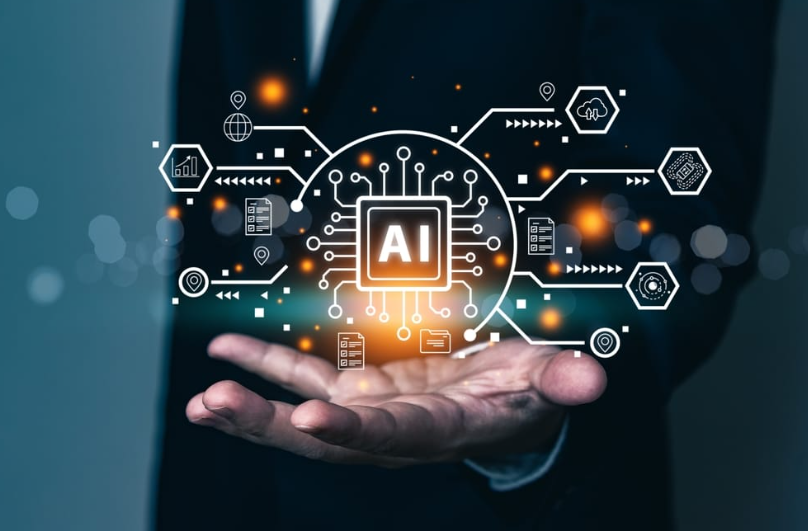
Moreover, there are other challenges related to the continuous maintenance and monitoring of AI systems. These technologies are dynamic in nature and they have to be updated and enhanced continuously to remain effective in dynamic server environments. This requirement of long-term supervision may put a strain on IT teams that have several responsibilities.
Lastly, the companies should pay attention to the difficulties associated with transparency and trust. The algorithms used by AI may be hard to comprehend even by an expert and are sometimes called the black box problem. Such absence of transparency may lead to doubtful attitude among the decision-makers who may find it difficult to rationalize on the use of the systems which they cannot fully explain or even control.
The Future of AI-Orchestrated Servers
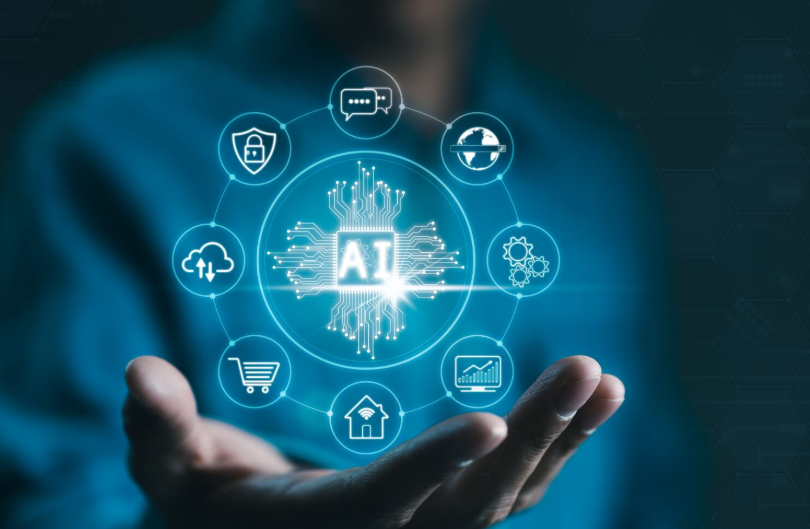
With the development of AI technologies, the server environments are supposed to be even more adaptive and intelligent, which will open the way to the new approaches to IT management. The development of machine learning and data processing technologies in the future will likely lead to systems capable of predicting the needs as never before, which will allow the business to perform optimally without much manual intervention.
Among the most important developments in the future, there is the possibility of a further integration of AI with new technologies, including edge computing and Internet of Things (IoT) technology. Such integration may form a system that is capable of not only centralized data center management but also decentralized infrastructures. These systems will be in a position to minimize the latency and improve efficiency in different applications by processing the data at the origin point.
Besides, the application of AI in predictive analytics will increase. The AI has the potential to offer insights that may lead to strategic decision-making due to their capacity to analyze bigger and more sophisticated data. Such developments can result in smarter allocation of resources which reduces operational costs at the same time enhancing productivity.
It may also be applied in ensuring that AI systems are more approachable to non-technical users through natural language processing and better user interfaces. Less specialized IT knowledge may also be required by the businesses due to the simplification of interactions, which would also contribute to the popularization of AI-driven technologies in industries.
Conclusion
Furthermore, due to the increasing popularity of sustainability worldwide, the role of AI in energy management is bound to increase. The next generation systems might further evolve better ways of reducing power usage and lessening environmental footprint to meet economic and ecological obligations.
Ethical and regulatory factors will also most probably affect the course of AI development. Clear and explainable AI products may be developed that deals with issues of accountability and confidence in automated decision-making.
The future of AI-Orchestrated Servers is enormous and has the potential of transforming the traditional way of doing IT alongside allowing businesses to be more nimble and insightful in the more digital world.
Step into the future with AI-orchestrated server environments. Deploy smarter, faster, and more efficient infrastructure with OffshoreDedi today.