Introduction to Weather and Connectivity
In a world where communication links are crucial for personal and professional interactions, the impact of external factors on these networks cannot be overstated. Among the main forces that may interfere with the flow of information and data, there are weather conditions, both mild and extreme.
It may seem that most people focus on the technical aspects of the connectivity, but the physical environment plays a crucial role in defining the reliability and the performance of such systems.
Weather phenomena such as heavy rainfall, strong winds, and atmospheric disturbances can directly and indirectly affect the technology we depend on. Jamming of the signals, physical destruction of the infrastructure, or even the breakdown of the power supply that drives the essential systems are all effects.
The weaknesses of global connectivity can be better understood when we ask ourselves how these forces of nature can come to bear in order to influence our digital networks.
The weather directly affects the connectivity, and due to the fast advancements in technology, solutions have been found to limit the issue, but the issue remains a huge one. The dimensions and nature of the world communication systems mean that any small-scale disruption is felt and affects individuals, businesses, as well as industries.
There is a need to explore how weather and connectivity are related as this is an important measure towards maintaining a stable and unbroken communication across the globe.

Weather-Related Interferences
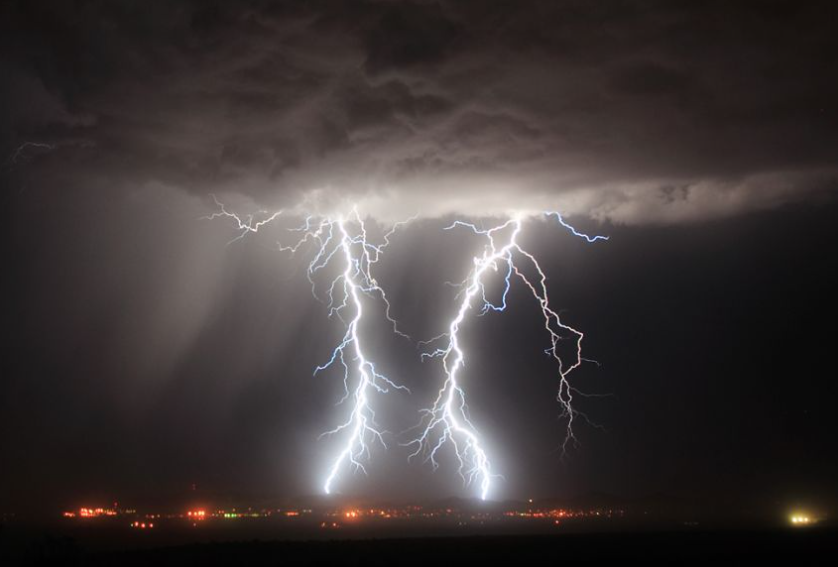
Weather conditions can significantly interfere with communication systems, particularly during extreme events. Storms, in particular, have a bad reputation in terms of affecting the connectivity because they can damage physical infrastructure. Powerful wind can cause communication towers to fall and heavy downpour or flooding can destroy underground cables and other equipment. Such events usually lead to local or global service failures thus leaving the users with no option but to be connected.
Connectivity is also complicated by temperature extremes. Temperature in data centers can put a strain on cooling systems and may lead to servers to overheat. On the other hand, the low temperatures can decrease the stability of the main components, such as fiber optic cables, and, therefore, preconditions the emergence of breaks or failures. These loopholes create the imperative aspect of a good infrastructure to withstand bad weather conditions.
Heavy cloud cover and precipitation deteriorate the quality of wireless signals, as well. One of them is the attenuation of radio waves passing through ice or water droplets that could impair internet connectivity such as cell networks and satellite-based internet. This is commonly known as signal attenuation and it highlights the fact that weather and connectivity are intimately connected.
Technological Solutions to Weather Challenges
In order to deal with weathering, new methods have been created to improve the functionality and stability of communication systems. Use of new materials that are proven to withstand extreme conditions such as reinforced cables and waterproof coating to critical infrastructure that is currently being integrated into current construction methods. Such improvements minimize the chances of physical damage that could be a result of adverse weather-related situations.
The other important development is in adaptive network technologies which can dynamically adapt to environmental change. For example, some systems are designed to automatically reroute data traffic when specific routes become compromised due to weather-related disruptions. This guarantees little disruption to services even in unfavorable environments.
Wireless communication systems have also improved tremendously. The frequency bands that engineers are using are now less vulnerable to atmospheric interference and this makes the signals more reliable in poor weather. The stability of a wireless network is also enhanced by better signal processing techniques when the cause of instability is a naturally occurring phenomenon such as heavy rains or snowstorms.
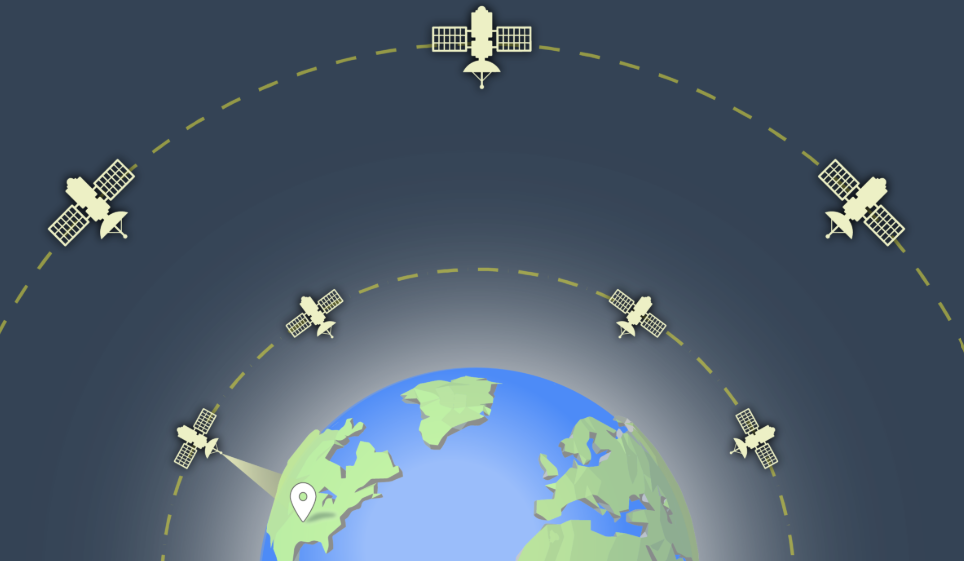
Satellites continue to play a very important role in reducing the effects of weather difficulties on the ground. Satellite networks are an alternative to internet access and communication when the terrestrial network fails because they are capable of overcoming many weather-related problems.
Low-Earth orbit technology is improving latency and coverage with new satellite constellations that offer a more robust solution in regions that are often affected by severe weather.
Data centers which are central to global connectivity are also being optimized to be more resilient. Cooling systems innovations are overcome the hazards posed by high temperatures, and the physical damage of facilities due to storms or floods is covered by strengthening new buildings and structures. These efforts not only extend the lifespan of critical equipment but also ensure more consistent operation during extreme conditions.
Regional Differences in Weather Impact
The weather’s influence on connectivity differs widely depending on geographic location. Coastal regions are usually prone to extreme weather like hurricanes and tropical storms which can affect communication networks by destroying undersea wires, power systems and land infrastructure.
Such disruptive actions are more likely to occur in areas like the southeastern United States and the Caribbean, where hurricane seasons present a big challenge in ensuring constant internet connectivity and other communication services.
Inland areas, while less impacted by coastal storms, face their own unique challenges. Regions prone to heavy snowfall, such as parts of North America and Northern Europe, often deal with ice buildup that can damage power lines and communication equipment.
When the infrastructure is damaged, blizzards and long periods of freezing weather may also delay restoration. Also, the high variation of temperatures in certain areas can cause a higher level of wear and tear on the equipment and this means that it will need more maintenance in the long run.
Desert regions face the opposite end of the spectrum, with extreme heat and dry conditions posing risks to connectivity. Severe temperatures may overheat equipment, especially in places where data center cooling systems and other infrastructure are not designed to function in such conditions.
Dust storms common in dry regions will lead to interfere with the transmission of signals and destroy delicate equipment that renders the network even more unstable.
Tropical and subtropical regions frequently experience seasonal monsoons, which bring heavy rainfall and flooding. Countries in South and Southeast Asia frequently experience widespread service interruptions during these months due to water damage to underground cables and equipment.
Equally, typhoons in sections of East Asia can lead to widespread outages of communities by destroying above-ground infrastructure, effectively isolating communities.
There are also weather-related problems associated with mountainous regions, especially accessibility. Because of heavy rains or melting snows, landslides can destroy the infrastructure in remote areas, and repairs and upgrades are not easily implemented in an efficient manner. Such different environments require localized solutions to solve connectivity challenges.
Future Outlook
Weather projections are defining the future of international connectivity as service providers are becoming more prepared to deal with challenges in the environment. As data can be more precise, and predictive models can be more effective, it is becoming possible to predict disruptions more accurately. This enables upstreaming of measures, including redistributing network resources or hardening vulnerable infrastructure in time to realize major weather events.
Another major driver in resolving the weather-related connectivity issues is also likely to be the new technologies. Stated differently, 5G networks are faster and more efficient and can be applied to enhance the stability of communication networks in bad conditions.
This proves particularly helpful in stopping critical services when the traditional networks become overloaded. Moreover, more frequent usage of the Internet of Things (IoT) devices opens new opportunities to monitor the actual state of the environment in real-time. Weather-related stress can be detected at an earlier stage by sensors installed in infrastructure, and it is possible to respond to possible damage faster.
Satellites are still seen as good solutions especially in areas where land networks are often affected. Low-Earth orbit satellite technology is expanding its reach and reducing latency to an extent that it makes connections highly reliable even in remote or weather-prone areas.
These innovations are mostly applicable to areas that are not easily accessible or locations which are frequently subjected to extreme conditions within the environment.
Moreover, more resilient systems will be produced due to the exploration of new material and communication infrastructure design approaches. The engineers are testing technologies that would withstand high temperatures, high winds, and other environmental pressures. Such innovations are likely to be on the increase in the number of applications as the need to ensure connectivity spreads across the world.

Conclusion
Weather is a powerful phenomenon that continues to cause instability in communication networks throughout the globe. The impacts, such as dysfunctional infrastructure, signal cutbacks and slow restoration of required services are experienced.
These are serious issues, but to their credit they have led to innovations in a bid to reduce the weather vulnerabilities of digital systems. By leveraging technology, service providers are creating more reliable systems that can sustain environmental pressures such as more advanced materials, flexible networks, and satellite systems.
The varying effect of weather in different areas highlights the need to come up with specific measures to deal with the issue of connectivity. Localized solutions like building infrastructure that will withstand sweltering in deserts or fortifying the system against hurricanes in a coastal area represent the most effective way to make communication reliable.
At the same time, global solutions are being developed including satellite technology innovations and forecasting techniques that can be applied to avoid inconveniences before it gets out of hand.
The need to be resilient is getting more urgent as the dependency on connectivity is becoming more than just a concern. To ensure that people, companies and essential services are not disconnected, then a proactive strategy which combines innovation, planning and co-ordination needs to be applied to ensure continuity.
Infrastructure investment that is compliant with weather and real-time monitoring technologies offer potential solutions to address the threat of disruption to the services. This type of operations has made the future of securing not only those systems already in place, but a more adaptable, future-oriented system a reality.
Of course, this intersection of weather and connectivity will require a combination of advanced technology, planning, and cross-border cooperation. As we strive to achieve a future where we can depend on communication even when unforeseen forces of nature strike, solutions to these issues can be devised by paying attention to both the short-term requirements and the long-term issues.
Through further invention and effort, it can be determined that the global connectivity has been better equipped to accommodate the impact of weather.