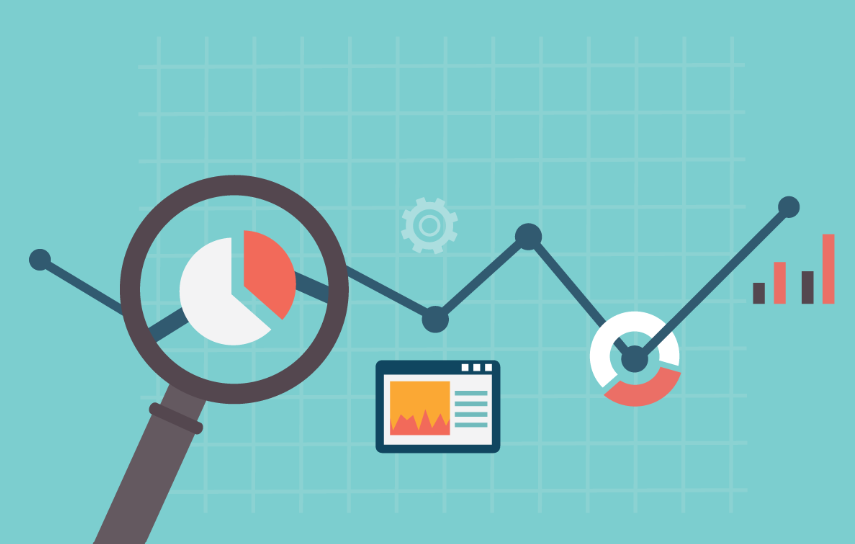
Understanding Viral Traffic Surges
Viral traffic surges stem from content that quickly captures widespread attention, often driven by trending discussions, social media platforms, or influential endorsements. These bursts of web traffic may create a lot of strain on the infrastructure of the provider particularly when the number of visitors rises beyond normal capacity levels.
Unlike regular traffic patterns, viral surges are unpredictable. They can escalate within hours, making it essential to recognize early warning signs, such as unusual increases in page views or server requests. Providers need to be equipped with monitoring tools that can detect and alert them to these spikes in real time. This proactive approach allows for faster response times and helps prevent potential disruptions to service.
Immediate Steps Providers Take
When a sudden traffic surge occurs, providers concentrate on ensuring systems remain operational under the increased demand. One of the first actions taken is assessing resource allocation to identify if existing servers can handle the unexpected load.
If the surge risks overwhelming the infrastructure, additional resources are rapidly deployed to maintain functionality. This may involve utilizing backup servers or redirecting traffic to alternative nodes to distribute the load effectively.
To prevent excessive strain on critical systems, non-essential processes or features might be temporarily paused or scaled back. This will make sure that the priority is assigned to the essential functions, i.e., page loading and transactional systems, which are most vital to user experience at the time of high traffic. Another strategy that providers can adopt is rate-limiting in order to control the number of requests and prevent possible overloads by robots or malicious programs.
The main consideration in this process is the application of real time monitoring tools since it will provide detailed data regarding the behavior of the traffic. These tools allow the teams to identify the bottlenecks or performance issues and make the corrective actions immediately. It will be necessary to coordinate activities with other departments such as IT, and network operations so that they can efficiently address the emerging problems.
Moreover, providers also use pre-configured systems as an advantage to automate some responses they do not need any intervention. Automated scaling rules, for example, can be set to activate additional resources as traffic grows. This approach not only minimizes response time but also reduces the risk of human error during critical moments.
At this stage, maintaining stability and user accessibility are the primary objectives. Providers focus on dynamic adjustments to match the surge in demand while keeping operations as seamless as possible for users navigating the site. Each step is executed with precision to ensure services remain uninterrupted and users experience minimal impact despite the sudden increase in activity.
Scaling Infrastructure Quickly
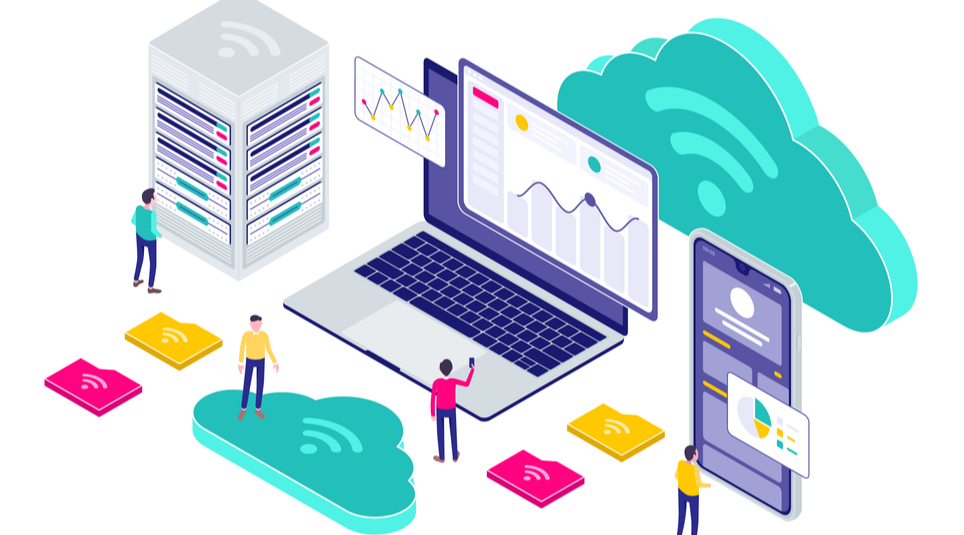
Providers rely heavily on adaptive systems to accommodate sudden traffic spikes, enabling a seamless transition from normal operations to handling elevated demand. Another solution is to utilize the technology of auto-scaling that will automatically increase or decrease the number of servers, depending on the current traffic patterns. This will guarantee the availability of more resources on demand, as there will be no delay or inconveniences caused by the need to supply more resources during the busy or frequently active times.
Load balancers are also important to evenly distribute the traffic among several servers so that there is no risk of overloading a specific resource. These systems increase the level of performance and provide uniform user experiences by distributing the workload effectively.
Providers often use both horizontal scaling, adding more servers, and vertical scaling, upgrading server capabilities, depending on the specific requirements of the surge.
Another solution is edge computing which enables scaling fast with the data being processed nearer to the user. Edge location reduces the dependence on central servers, thus overcoming the latency and enhancing speed to users due to its ability to support localized traffic demands. This decentralized system minimizes the number of bottlenecks and enhances the capacity of infrastructure to handle sudden changes in the traffic.
Cloud based solutions also increase scalability since the computing power provided to a provider can be tapped into virtually indefinitely. Through partnerships with cloud service providers, infrastructure can be expanded within minutes, ensuring there is sufficient capacity to meet the surge. Automation, which has been preconfigured into these systems, removes the need to have human involved in the process and simplifies the process, as well as minimizing response times.
Finally, it is observed that providers conduct stress tests on their systems and establish the potential vulnerabilities. These simulations simulate extreme traffic conditions and the teams are able to plan their infrastructure and are able to become more prepared to sudden rises.
Through constant monitoring and updating of these systems, the providers are always ready to deal with even the most challenging traffic events in the most effective manner.

Ensuring Data Security and Privacy
The providers have a greater challenge of ensuring that user data is secure during high-traffic events. The increased surveillance measures are essential in real-time detection of suspicious activity so that quick measures can be taken against any possible threat. The use of advanced intrusion detection systems (IDS) and regular vulnerability assessments can be used to detect and remedy areas of vulnerability that may be used by the offenders during these spikes.
Another important factor is multi-layered authentication protocols, which minimize the possibility of unauthorized access to sensitive systems. Implementing measures like two-factor authentication (2FA) and session timeouts ensures that only verified users can interact with protected resources, even amid heavy traffic.
Providers also use data encryption to protect information both in transit and at rest. By encrypting user data, even if a breach occurs, the compromised information remains unreadable to unauthorized entities. Periodic refreshments of encryption standards also enhance this security level.
There are also more vulnerabilities of systems due to increased traffic to distributed denial-of-service (DDoS) attacks. In response, the providers usually deploy DDoS blocking devices which block malicious traffic without blocking the legitimate users. These solutions are dynamic to different attack vectors and therefore provide protection in the surge.
Besides, internal systems are tightly controlled to avoid unintentional or unauthorized data exposure by the staff. Auditing tools can monitor access logs and system modifications, which give an idea of who accessed what information, at what time.
Working with cybersecurity teams in such incidences will make sure that issues are identified and resolved fast. The providers can also hire third-party security specialists to increase the overall level of protection so that all potential vulnerabilities can be solved in time.
With the combination of these proactive measures, the providers are able to have strong security systems that can withstand even when the traffic is at extremely high levels.
Communication with Stakeholders
Clear and timely communication with stakeholders plays a pivotal role during periods of high traffic. Providers should seek to ensure the clients are informed on the steps being taken to overcome the surge so that there is smooth service access. The proactive provision of information regarding any possible delay or temporary changes can contribute to realistic expectations and the elimination of concerns.
Other than just informing, providers can use such opportunities to build cooperation with key stakeholders such as content creators, marketing teams, and partners. Providers can share knowledge of traffic trends or audience activity to get a helpful context that helps to adjust their strategy.
The information sharing also allows the improvement of the alignment of the technical solutions and the goals of the content that drives the surge.
Providers must make sure that there are numerous avenues through which stakeholders can communicate with them like emailing, real-time communications as well as direct access to support teams. This multi channel method will assist in keeping the communication channels open and all the parties will be informed about the developments when they happen. Besides, the introduction of a specific contact or escalation channel would make sure that the stakeholders can make urgent decisions without any delays.
Frequent reporting throughout the surge will provide the stakeholders with a continuous insight into the performance of the system and any significant deviations. Openness in both achievements and issues will gain trust and boost confidence in the provider capacity to overcome the unforeseen surges in demand.
To convey this information in a simple and understandable manner would make it easy to access information by the stakeholders without having to be overly complex by the communicator.
Moreover, feedback on the stakeholders should be sought in the process. This kind of input can help the providers to identify what has not been attended to or to be improved and thus an avenue of better response can be established during the eventuality of future happenings.
Listening and responsiveness indicate the emphasis on the stakeholders, which will ultimately strengthen the relationships and enhance the general service delivery in case of high demand.

Long-term Strategies for Future Surges
Providers aiming to stay prepared for unexpected traffic spikes should prioritize continuous improvement of their systems and processes. The creation of a scalable plan is a way of making sure that the resources are easily deployed in case of high-demand scenarios. It involves the adoption of flexible architectures which can be modified easily as the need of the user changes.
Forming alliances with cloud vendors and installing advanced automation software will increase the response capability of a provider to surges. Automated systems such as intelligent scaling protocols can allow providers to autoscaling their capacity, without the need to manually scale which adds response time and load to the operations.
Regular stress testing of the system should be incorporated in the long-term strategies to determine the areas which need to be addressed before it escalates into serious problems. Simulating a situation of heavy traffic can also help teams to test the system performance and refine their response plans and make sure to be reliable at later time when a surge occurs.
In addition, the presentation of the machine learning devices to observe the past traffic trends can provide viable information about the patterns and trends. The tools enable the providers to make wise decisions, streamline their infrastructure and be ready beforehand in case there is a traffic spike.
It is also important that the internal teams be trained to cope with the demands of the sudden surges. On-going training initiatives also make sure that staff members are prepared in such a way that they can effectively respond to the crisis within the shortest possible time possible without causing much disturbance to the service.
It is also possible to develop effective guidelines on how teams should work together, i.e., IT, operations, and customer support, which would improve the overall readiness of the organization.
Lastly, innovation culture will promote the use of new technologies that can enhance scalability and efficiency by providers. Being proactive in the industry development will make it possible to remain in the position to provide the systems that can respond to the requirements of the fast-evolved traffic. The proactive and constant optimization will help the providers create a more resilient framework that will support stable performance in the future in case of surge.