Introduction to Anonymous Payments
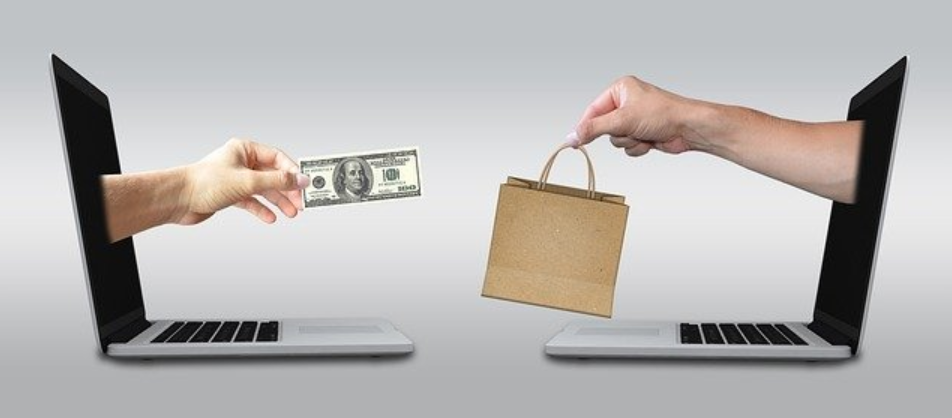
In today’s world, where concerns over data security and privacy are growing, anonymous payment methods provide a solution for individuals who want to maintain the confidentiality of their financial transactions. These methods enable individuals to conduct transactions without linking them to their personal identity, thereby offering a means to protect sensitive information.
For many, privacy in financial transactions is not just about security but also about control over personal data. With the increasing prevalence of data breaches and third-party tracking, anonymous payment options have become a practical choice. They serve the variety of needs, both the daily consumption and more specialized purposes when discretion is needed.
There are diverse tools and systems that can assist in the process of making anonymous payments and each is designed to accommodate the privacy and convenience degree. These techniques do not require one to be tech-savvy, as they also offer users that are comfortable with less complicated solutions. With the increase in the need to remain financially private comes the increasing number of options available to make anonymous transactions.
Cryptocurrency as an Anonymous Payment Method
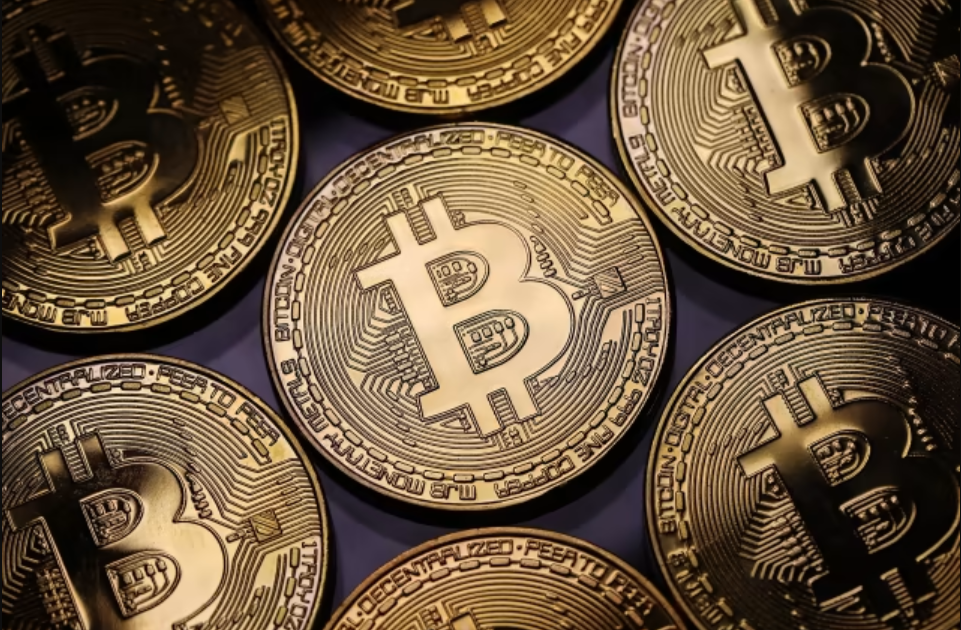
Cryptocurrencies have introduced a new way to conduct transactions with varying levels of privacy. Unlike traditional payment systems, they operate on a decentralized network known as a blockchain, which records all transactions transparently while allowing for a certain degree of discretion, depending on the currency used.
While Bitcoin is one of the most well-known cryptocurrencies, it only offers pseudonymity rather than complete privacy, as its transactions are publicly visible on the blockchain. Nevertheless, privacy-oriented cryptocurrencies such as Monero and Zcash offer more features to those who want more anonymity.
Monero uses features like stealth addresses and ring signatures to hide the sender and receiver information and complicates the process of traceability. Zcash has the shielded transactions option that encrypts the information about transactions in order to keep the identity of user’s secret.
To those of us who value privacy, it is important to know the particularities of various cryptocurrencies. Others are intended to be more transparent, whereas others are entirely aimed at ensuring the identity of the user is safeguarded. Such privacy capabilities render certain cryptocurrencies especially attractive to customers that attach importance to confidentiality in getting their finances.
It’s also important to note that while cryptocurrencies can offer anonymity, this depends on how they are used. For example, purchasing cryptocurrency through an exchange that requires personal identification may compromise privacy.
To ensure maximum anonymity, some steps that users can take are decentralized exchanges or P2P services that do not verify identities. The other method to keep the use of cryptocurrencies secret is to use other tools, such as secure wallets and personal connections.
Using Prepaid Cards for Anonymous Transactions
Prepaid cards provide a practical way to make payments without directly connecting transactions to your personal identity. These cards are typically available for purchase at retail stores or online, and many do not require providing personal details at the time of sale, especially if paid for with cash.
Once loaded with funds, they can be used for a variety of transactions, such as online shopping, bill payments, or in-store purchases.
One of the key benefits of prepaid cards is their simplicity. Unlike bank-issued debit or credit cards, they don’t necessitate a lengthy approval process or a bank account. This makes them a convenient option for individuals who prefer quick, hassle-free payment methods. Prepaid cards are also highly portable and accepted in numerous locations where major card networks are honored.
For online purchases, prepaid cards provide an additional layer of privacy by shielding your primary financial accounts from exposure. Many users rely on them to keep their sensitive banking details out of reach in cases where websites might not seem completely secure.
However, not all prepaid cards are entirely anonymous. Certain cards, especially reloadable ones, may require registration and could involve providing some personal information. For maximum anonymity, choosing single-use cards or those that don’t require registration can be a better option.
Moreover, it is also important to track the balance because the unused money can run out after a certain number of years depending on the terms and conditions of the card provider. There are also different charges associated with prepaid cards and therefore it is important to know the costs incurred before buying.
Cash Payments in the Digital Age
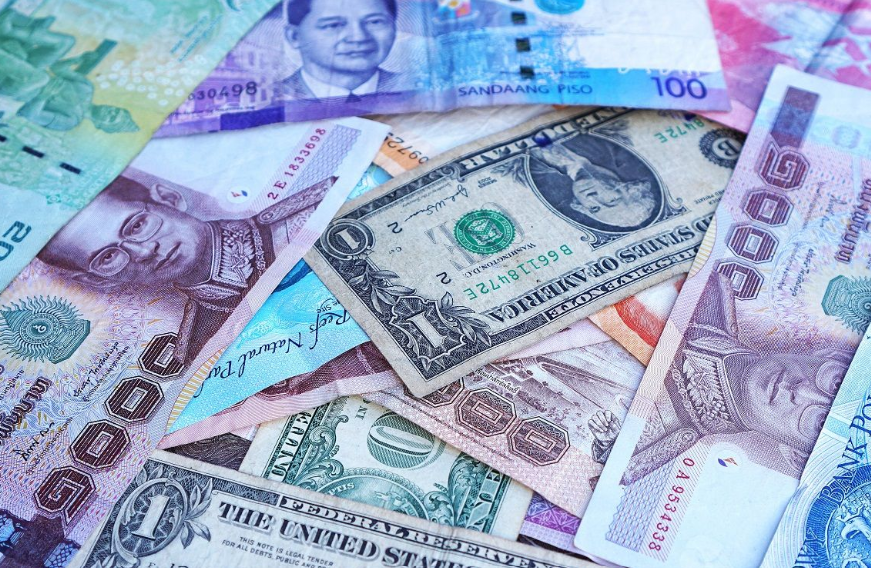
Cash remains a practical option for making transactions without connecting them to personal data, especially in face-to-face exchanges. It provides some degree of privacy which digital means can sometimes never achieve. To people who value privacy, cash makes them feel that they will not have to use agents or share their financial access with any internet services.
In situations where digital payments may not feel secure or desirable, cash offers a straightforward alternative. It is especially beneficial in small-scale purchases, local markets or when it comes to working with people who do not accept electronic payments. Also, cash does not have the risks of account surveillance and tracking of transactions, which might exist with electronic system.
However, the convenience of using cash has diminished as many businesses now prioritize or exclusively accept card or digital payments. This shift poses challenges for those who prefer or depend on money for its privacy benefits. The rise of online shopping has further limited the use of cash directly, as e-commerce typically requires electronic payment methods.
Carrying cash also has its own practical factors, including that it needs to be kept in a safe place and that there is no consumer protection in case of theft or loss. In spite of these disadvantages, cash, is still an attractive choice to those people who want a solution to payment that does not leave any electronic footprint or demands no exchange of personal information. In a digitalizing world, cash is still a simple and unidentified way of payment in certain situations.
Other Anonymous Payment Options
Virtual credit cards are another option for making transactions without exposing personal financial information. These cards generate temporary card number that is unique and can be utilized to carry out purchases through the internet.
Virtual card also enables users to leave their actual credit card or debit card details undisclosed which provides certain privacy and reduces the risk of fraud. This is also available in some virtual card services where the user may limit their spending limit or expiration date.
Gift cards are also a simple way of making a personal payment. Many are available for purchase with cash at retail locations, ensuring no personal details are tied to the transaction. Gift cards can often be used like standard credit cards for online and in-store purchases, making them a versatile option for those looking to protect their identity.
Another option includes money orders, which can be purchased with cash and used for payments without directly linking the sender’s identity. They can be especially handy with people who require sending money by mail or otherwise do not want to use digital technology.
All of these techniques offer different degrees of anonymity, and they can be useful to those who are willing to find an alternative to more traditional payment options. However, users should still consider any associated fees or restrictions before deciding on a specific option.

Risks and Considerations
Anonymous payment methods can be a lot more discrete, though one has to know more about the risks of the tools. The absence of consumer protections which are common with the traditional payment systems is one of the concerns.
If an issue arises, such as non-delivery of goods or services, resolving the problem can be more challenging when anonymity is involved. Moreover, there are certain approaches that can be targeted by fraudsters that want to take advantage of individuals who appreciate discretion.
The legality of certain ways or practices of payment in your jurisdiction is also another thing that should be looked into. The rules are different in many places and the inability to adhere to the local regulations may result in some complexity.
For instance, privacy-focused cryptocurrencies may face stricter oversight in certain regions, and prepaid card usage may be subject to limitations, such as purchase caps or expiration terms.
The users also need to consider the security of the sites and tools that they use to carry out anonymous transactions. Systems that are poorly managed, or that have unsecured connections may predispose one to cyberattacks, thus putting sensitive information at risk or causing financial losses.
The use of other protective measures which involve use of secure passwords, multi-factor authentication and encrypted networks can be used to address these risks.
Finally, one should check regarding any accusation of use of anonymous payment options. Unnoticed or unanticipated expenses may run high in no time and it is important to be aware of the cost framework when undertaking any business deal.
Future of Anonymous Payment Methods
The future of the anonymous payment methods landscape will change as more technology is developed and regulations are being changed. This could be attributed to new developments in decentralized finance (DeFi) and blockchain technology which can allow less secure and more private means of transacting. The innovations may offer the users more privacy and remain transparent where required to meet the requirements.
Meanwhile, more intense examination by governments and financial institutions will probably have a carryover effect on the design and availability of these tools. The developers and the users will find it extremely difficult to strike a balance between privacy and regulation. Solutions in the future can be designed to incorporate the capability to allow users to have control over their data and also adhering to legal requirements.
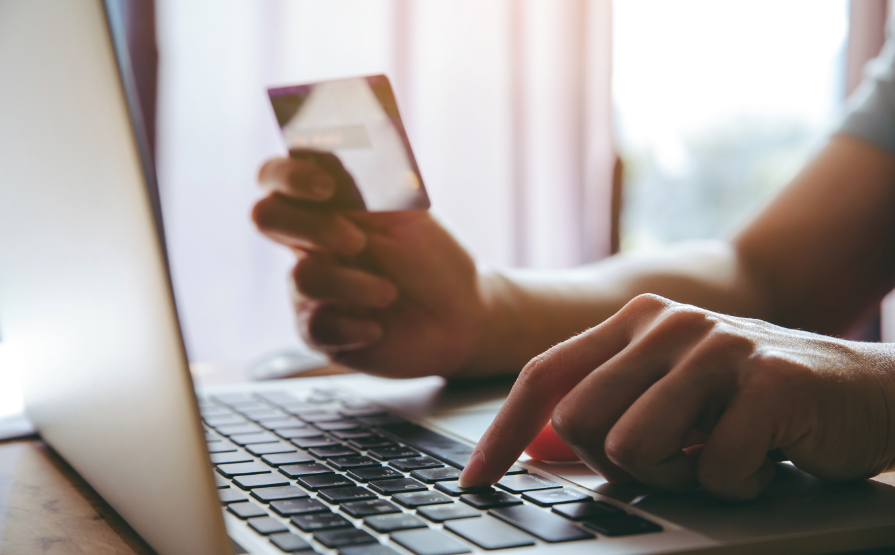
The growing public demand for financial privacy is expected to fuel continued innovation in this space. Stronger encryption, decentralized application, and more convenient possibilities might be introduced to these expectations in emerging payment tools.
However, there is still the possibility that the development of new methods might bring about the need to understand their risks and limitations in order to enable individuals to remain anonymous in their endeavors.
Classifying by existing and emerging technologies and legal developments will place the users in a better position to make an informed decision regarding their privacy needs in a world which is increasingly becoming connected with one another.