
Introduction to Detection Patterns
Detection patterns are the basis of detecting possible threats or abnormal behavior in systems in the world of cybersecurity. These trends are created through the examination of behaviors, data streams, and system communication that can suggest malicious behavior. In the case of server architectures, not using these patterns is not only a technical problem but also a requirement to ensure the safety of sensitive information and to ensure smooth running of the operations.
A major feature of detection patterns is that they are based on the discovery of predictable or repetitive behaviors in a system. This consists of such things as abnormal traffic surges, repeated access requests or abnormal communication with external services. To detect these indicators, cybersecurity tools tend to employ algorithms and rule-based systems to track any activity that is considered out of the ordinary. To the servers, it means they have to employ styles that decrease consistency or predictability in their work so as to avoid detection systems successfully.
With the advancement of detection technologies, they can identify minor deviations more and more. These further strains server architectures to co-evolve to form agile and complex enough systems to not be flagged. Although the older approaches like masking or redirecting traffic have been in use, the new technologies require more sophisticated approaches that are not limited to superficial modifications.
Finally, by knowing the patterns of detection, server architects can be able to detect the vulnerabilities and devise measures to mitigate the vulnerabilities. This goes beyond the implementation of preventive measures to preparing when adaptive detection technologies that are more capable of analyzing more nuanced behaviors will become a reality.
Current Strategies in Server Architecture
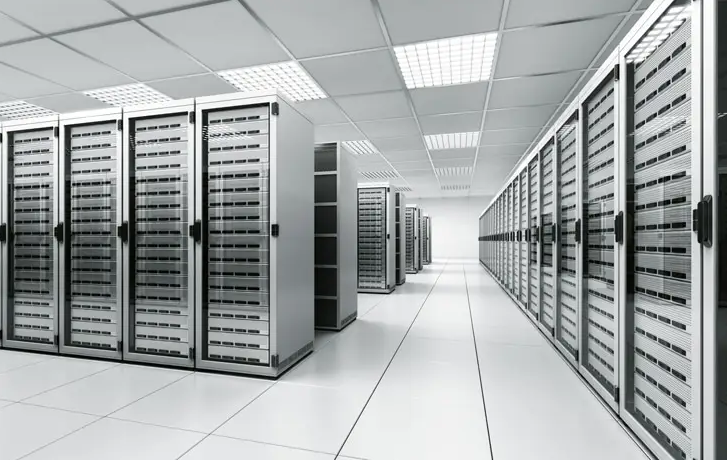
The contemporary server architecture involves the use of numerous methods to reduce the possibility of detection systems being used to identify it. The first technique used extensively is the manipulation of data patterns so that the communication flows can be considered as normal and not a cause of suspicion. Servers can hope to distinguish themselves by altering the form or time of data transmissions, which reduces the risk of raising alarms.
The other strategy that has proven efficient is containerization whereby workloads are segregated into closed systems. This method assists in curbing the transmission of possible hazards as well as continuity of operation. Containers are not heavy as compared to the traditional virtual machine and have the added advantage of being quicker to deploy and scale.
Decentralization is also a major aspect of present strategies. Distribution of functions to more than one node ensures that servers do not have concentration of activity in a single node and therefore patterns cannot be easily detected by the tools of detection. Nonetheless, this approach demands a high level of coordination in order to achieve consistency in performance as well as data integrity at all nodes.
Dynamic Server Balancing
Another tactic that is commonly used is load balancing. The systems also spread out the server activity to several resources thereby eliminating the spikes in usage that may otherwise be viewed as suspicious. This aids in normalizing operations, so that no one server is a point of interest.
Furthermore, dynamic changes in the server behaviors are being performed based on detection attempts using adaptive algorithms. Such systems track activity in real time, enabling servers to respond promptly and adjust activity in order to avoid detection.

Innovative Approaches
Server architects are resorting to innovative approaches that emphasize flexibility and delicacy to remain ahead of detectives. One new strategy is to dynamically allocate workloads to different server instances to produce erratic activity profiles. Through not maintaining constant operations, servers decrease the possibility of creating trends that can be identified by detection systems.
Use of advanced obfuscation methods has also been popular in recent years. These techniques change operational footprint dynamically, and thereby complicate the ability of security tools to tell the difference between authorized and malicious processes. As an example, there are now systems that manipulate real-time data to camouflage the communication channels without interfering with the functionality of the systems.
The other innovation is the implementation of the use of proxy servers in new applications. Servers can further anonymize with a layer of intermediacy that requests are routed via intermediate points which resemble normal network traffic, reducing exposure to surveillance tools. Another benefit of this method is that it allows diversifying traffic sources, which can further disorient detection algorithms.
Modular Server Frameworks
Latency modulation has come out as an inconspicuous yet efficient tactic. Servers are intentionally different to slow down response times or create controlled delays during transmissions to be less regular. These micro-adjustments aid in concealing the expected patterns of use making it less likely to initiate automated detection systems.
Moreover, emphasis has been put on incorporating predictive analytics to predict detection efforts. These systems work off historical data to determine the possible vulnerabilities, and modify behaviors in advance. The active character of this solution enables servers to be flexible to the changing detection technologies without involving a lot of manual work.
Finally, modular frameworks are also being used to further decentralize server processes. These structures make the process of operations more flexible by dividing larger workflows into smaller interchangeable components, which makes it more difficult to detect a single point of compromise by detection systems.

Impact of Machine Learning
Machine learning has brought revolutionary features in the functioning of server architectures, especially in the dynamically operating and responsive features to detection patterns. Machine learning algorithms have the potential to detect subtle correlations and anomalies that can be missed by other rule-based systems by analyzing large data volumes. This enables servers to dynamically adjust their processes in real-time, eliminating the possibility of detection as well as ensuring smooth operations.
The ability of machine learning to forecast the possible vulnerabilities based on past experience and the present trends is one of the most influential features of machine learning. With these predictive models, servers can automatically make changes to their configurations which prevents the risks before they can be detected by detection mechanisms. An example is using machine learning to monitor network traffic to identify patterns which often send an alert so that servers can modify their communication protocol to evade monitoring or alter their data streams to keep them out of view.
The other important use of machine learning is that it can simulate and test different scenarios. This is possible to enable the architects to predict how the detection systems would respond to various behaviors of the servers. These simulations also help servers to learn to use the best strategies to navigate when a threat is unfolding, reducing the need of taking reactive actions once a detection effort has already been made.
AI Driven Server Optimization
Machine learning can also be used to improve the personalization of the server responses in accordance with the specifics of a particular environment. These algorithms can consider network settings, user patterns, and system requirements, adjusting the operational patterns that better match anticipated standards, increasing the chances of staying undetected. This dynamic capability enables server architectures to be more dynamic and responsive to changing cybersecurity needs.
One such interesting advancement is the incorporation of unsupervised learning techniques where algorithms detect hidden patterns in data without depending on pre-determined labels. This is particularly applicable in the discovery of risks or vulnerabilities that were unknown before or the aspect that the traditional methods could have been unsuccessful in revealing those vulnerabilities. It enables server architectures to stay a step ahead, despite increasing detection technologies.
Although these developments have been made, machine learning application in server architecture is not without its challenges. These models can be computationally intensive to train and deploy, and can become a resource burden in a resource constrained environment. Furthermore, the implementation of machine learning systems requires a high level of expertise to make sure that they are tailored to meet the requirements of a particular server environment. These systems can potentially add new vulnerabilities or inefficiencies with a failure to be carefully monitored and optimized, which is why constant monitoring and optimization is essential.
Future of Server Architecture
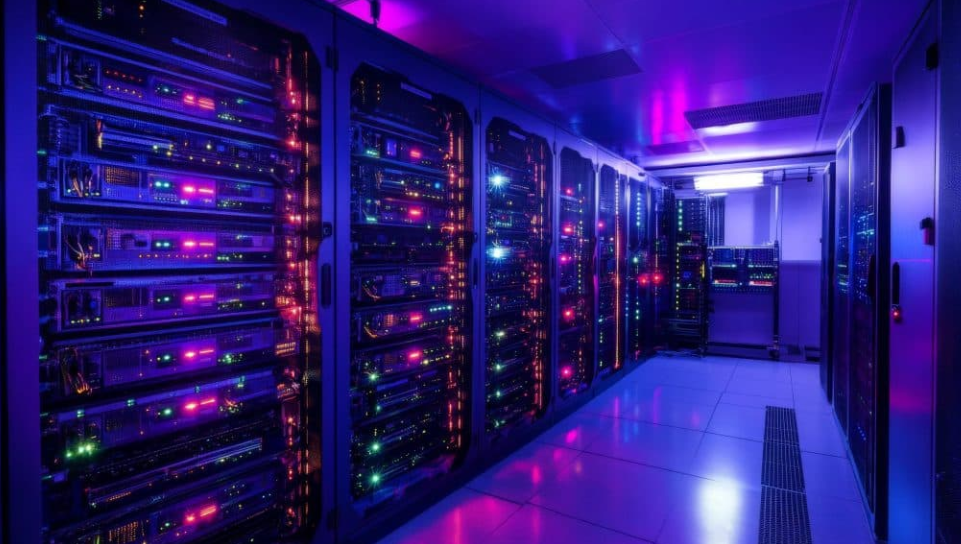
The architecture of servers is soon to be subject to radical changes as new technologies are continuing to define the cybersecurity arena. Future generations of server designs will probably be aimed at making them more flexible and less traceable, so detection mechanisms have a more difficult time detecting an anomaly. This development will not only entail the exploitation of sophisticated algorithms but also consider altogether new architectural practices that re-conceptualize the relationships between servers and their surroundings.
The creation of systems that can self-optimize is one of the most important trends that will create the future. The servers will be more autonomous, as they will be able to monitor their performance and make changes in their settings through automated processes to avoid detection. Such self-optimizing systems will be likely to make use of real time analytics and predictive modeling to dynamically adjust themselves without human intervention.
Moreover, the increasing focus on distributed architectures will advance the usage of decentralized system. These structures are created to remove single points of vulnerability through decentralization of processes to different nodes or locations. This makes sure that even in case of a compromise of one component, the rest of the system would still be able to operate smoothly without compromising its security posture.
With the advancement of quantum computing, it is likely to contribute to the future generation of server innovations. The quantum technologies can transform the field of encryption and open up a vast number of more secure methods of communication but also present a challenge to the detection systems to overcome. Nonetheless, quantum computing will need to be considered as a part of server infrastructure, and its implementation must be planned to strike a balance between its capabilities and the realities of its implementation.
Conclusion
Server architects will also focus on energy efficiency. With the increase in workloads, there will be an increased pressure on hardware and software solutions that will be able to provide high performance and reduce consumption of resources. Such an emphasis on efficiency will spur improvements in processor technology, cooling technologies, and workload management systems to develop sustainable server operations.
The use of edge computing to supplement traditional data centers is another promising field of exploration. Data processing nearer to the point of origin allows servers to minimize latency, and better distribute activity, making it more difficult to detect. The strategy is also consistent with the overall movement towards decentralization.
Finally, the future of server architecture will be the capacity to predict and react to the constantly changing cybersecurity threats. Integrating emerging technologies with new design concepts will help organizations develop resiliency in their systems that remain a step ahead of detection systems.
Deploy server architecture designed to avoid detection patterns while maintaining performance and reliability. Choose OffshoreDedi today.