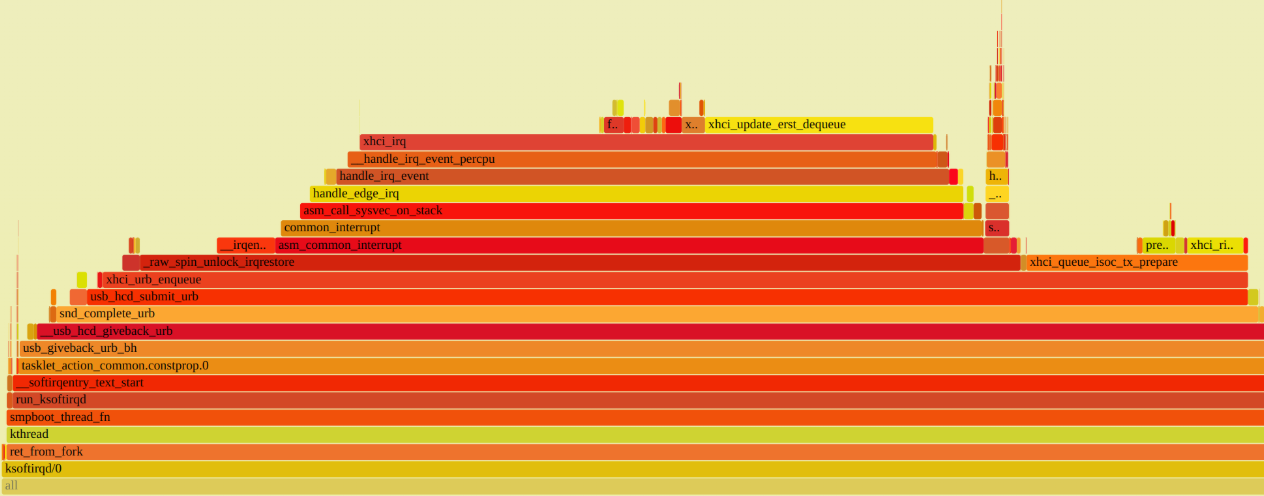
Introduction to Scheduler Latency
In computing environments, the task performance capacity is essential, where scheduler latency is the determinant factor. Schedule latency in computing, thus, the time it takes for the ready-to-run task to be put onto a processor. The time difference leads to compound effects, especially in systems that require very high precision and responsiveness.
When the workload is more or less coupled with the scheduler latency, its adverse effect on performances is clearly manifested. This implies that the longer the delay to get the scheduled task into operation, the higher the number of idle resources, such as other servers waiting for commands, on one hand, and the number of pending jobs waiting for the services, on the other. This reading leads to a domino effect for the server loading capacity for parallel tasks and increased probability of system resource bottleneck states.
Moreover, scheduler latency has other consequences that are not related to utilization. For example, the side effect to scheduling overhead can be seen with the lack of determinism on high-latency systems. High latency may result in irregular, and hence unpredictable, task execution. When identifying scheduler latency patterns in infrastructure modules, it is essential to understand the main drivers of behavioral actions and responses to regular server activities in both simple and complicated versions of server infrastructures.

Effects of Latency on Server Workloads
With scheduling latency, servers cannot efficiently manage their workloads. This causes delay in the execution of tasks, thereby causing gaps in the usage of CPU resources. Owing to this, the capability of the server to handle big or heavy workloads is impaired, thereby creating a negative impact on the overall performance.
Latency might also interfere with time-sensitive work. In cases where strategies require time measurement to be addressed down to the smallest unit, these delays perhaps become compounded. For instance, latencies when dealing with patients’ data or other real-time scenarios can result in lapses, which in turn can impact results and the system’s dependability.
In addition, variability in latency levels can result in inconsistent workload performance. Some of the work gets done in quick succession, while other operations have to wait for a lengthy time before their turn arrives; the server is unable to assess its options due to unpredictable delays. It becomes difficult to allocate resources correctly and predict system performance, which poses a threat to service-level agreements or hampers effective operation during peak demand.
Another concern is concerns over the ripple effects that could take place because of latency. This can also create bottlenecks in the system, which eventually compounds on itself. Cascading failures can occur in case synchronous operation is required by the system in question hence, slowing down productivity further and causing a high probability of a service outage.
Factors Influencing Scheduler Latency
Scheduler latency is a mixture of hardware and software factors that determine the scheduling of a task, and one crucial hardware component that influences latency is the CPU’s performance, with its design and processing power affecting how optimally it allocates tasks to the processor. Likewise, the performance of memory, access or speed related to bandwidth and how fast information is fetched and processed during task scheduling.
On the software side, the operating system’s design plays a significant role with scheduling algorithm being used and whether fairness, speed, or certain categories of tasks take priority, which affects how swiftly tasks are assigned to processors.
Application-level factors include the number of computations or memory-requirements a task executes or has, making the task require more resources, hence causing latency to waiting tasks in the queue, as well as the level of priority on specific processes, whereby the allocation of resources may be adjusted when higher priority tasks than others exist.
External factors beyond the immediate server environment can have an indirect influence on scheduling, with one example being network latency.
Another factor to consider is the compatibility of server configurations with the tasks they handle; otherwise, issues related to latency can include improper optimization or the absence of performance monitoring tools, including obsolete software, and for servers managing a set of different tasks or constantly changing task mix, the absence of scheduling mechanisms would exacerbate the latency problem by reducing the likelihood that the system would effectively adjust to changing conditions.
Finally, physical server infrastructure, such as storage devices and interconnects, can have an impact on how fast tasks move through the pipeline, resulting in bottlenecks if hardware components are slow or obsolete in high-demand scenarios. With all these factors coming into play, the overall level of scheduler latency is thus formed.

Mitigating Scheduler Latency
Reducing the scheduler latency mandates a mixture of anticipatory retunes and customized optimizations for dealing with a specific issue in a server environment. An example is a scheduling algorithm called SRTF, which offers advantages over the FCFS algorithm in managing short and long workloads. Such algorithms can prioritize urgent tasks, require more resources, or require more demand in the system to address routing in the overall pipeline of operations.
Implementing load balancing techniques also assists in reducing delays in the system, which can occur, especially in systems where workloads are unevenly distributed or unpredictable. Servers can leverage such approaches to achieve optimal operational efficiency, by avoiding the risk of having some resources sitting idle, while others are excessively occupied with the load. That flexibility can also be extended to the usage of virtualization and containerization technologies, where the workloads can be taken care of within isolated containers and allocated to the most appropriate resources without breaking the balance further.
Another significant approach to the resolution of scheduler latency issues is the hardware upgrade. More powerful components are able to provide the much-needed speed in the servers and exclude bottlenecks by providing higher capacity to accommodate the demands of the server workloads. Effective monitoring tools need to be employed in order to diagnose latency issues at an early stage. They serve as indications on the kind of data related to the status of the server to envision measures to address potential inefficiencies in the early stages.
Latency Mitigation Strategies
Frequent upgrades of software components (Operating System, Drivers and Middleware) probably should also improve all the latency mitigation. Upon them, the new runs will be faster and they should fix the bugs regarding to scheduling problems. Another point that should not be forgotten is the tuning of the system options, for the right workload features, because any improper setting could cause delays or problems at resources scheduling.
Organizations may implement such adaptive scheduling mechanisms to accommodate fluctuating workload demands, for example, The composition and formulation of resource allocation strategies is received based on the behaviors of the workload analyzed in real time. For instance, during peak workload hours, the scheduler can optimize the execution of critical processes and postpone other minor processes.
Finally, collaboration between hardware and software teams can be useful for a more holistic approach to solving scheduler latency. Understanding how hardware constraints compound software-related issues enables teams to implement appropriate and effective mitigation methods. This combined strategy ensures that the infrastructure meets the application needs to reduce the latency perceived by end users in different scenarios of use and optimizes the performance of the server.

Real-world Examples and Case Studies
Many different industries have been affected by high scheduler latency especially when tasks need to be dealt with quickly and efficiently. In online shopping online shops saw an unexpected jump in the number of customers in a short space of time during a sales event or the launch of a new product and if the computers not been tested for latency the servers can become glutted, slowing down the response time and annoying customers and consequently reducing sales. Online gaming has also been affected by high latency.
Specific solutions to this problem are that within a company, it is possible to implement targeted strategies to reduce the latency. These show the potential benefits of reducing latency within a company. An example of a solution implemented within a company is that of a global logistics company that greatly improved the company’s package-tracking system by optimizing the scheduling algorithm and upgrading the server infrastructure. The company gained more efficient use of resources resulting in speeding up of tracking updates during peak shipping seasons and enhanced customer satisfaction.
An additional example relates to medicine, where incoming data processing needs to be rapid. As an example, a network of hospitals cut down the lagging time in updating the records of their patients by enacting load balancing solutions and switching to adaptive scheduling approaches. This helped the system to deploy its resources more efficiently at peak hours.
Conclusion
Furthermore, as an effort to reduce the problem of latency, some streaming services adopt more advanced caching systems and optimize their task assignment procedures to improve performance in dealing with spiking user activities. In this way they can avoid backlog during periods of significant user activities, for example during a live event or after a new content release.
From these scenarios it is apparent that designers and administrators need to be aware of the reasons behind scheduler latency its causes and the necessary corrective measures to eliminate or diminish the impact of latency. By investing in better hardware, better algorithms, or better management of resources, any user or provider of a computer system can work towards eliminating undue effects of latency and maintaining performance in all circumstances.
If scheduler delays are impacting your server workloads, upgrade to OffshoreDedi for faster, more efficient processing.