Introduction to Server Failures in 2026
The increasing dependency of business on servers to perform crucial business activities is making the need to learn more about the possibilities of failure increasingly relevant. The duties of servers include data management, application execution and coordinated and smooth communication among networks. In case of server failure, the downtime may cause disruption in productivity, sensitive information may be compromised and it may be very expensive.
The changing technological environment in 2026 is a challenge and a risk to server infrastructures. The improvement of hardware and software possess great merits, yet it brings a lot of complexities with itself that need to be carefully handled. Even the tiniest weaknesses could cause unpredictable inconveniences, starting with the aging parts and further on the use of the latest software.
Additional pressures that impose on IT teams are external, such as increasing cybersecurity threats and the environmental concerns. One of the most crucial factors that make server failures is the ability of organizations to be aware of the new trends and threats. To ensure continuity in operation in the fast-changing environment, it is necessary to develop proactive approach towards server management.
Hardware Malfunctions
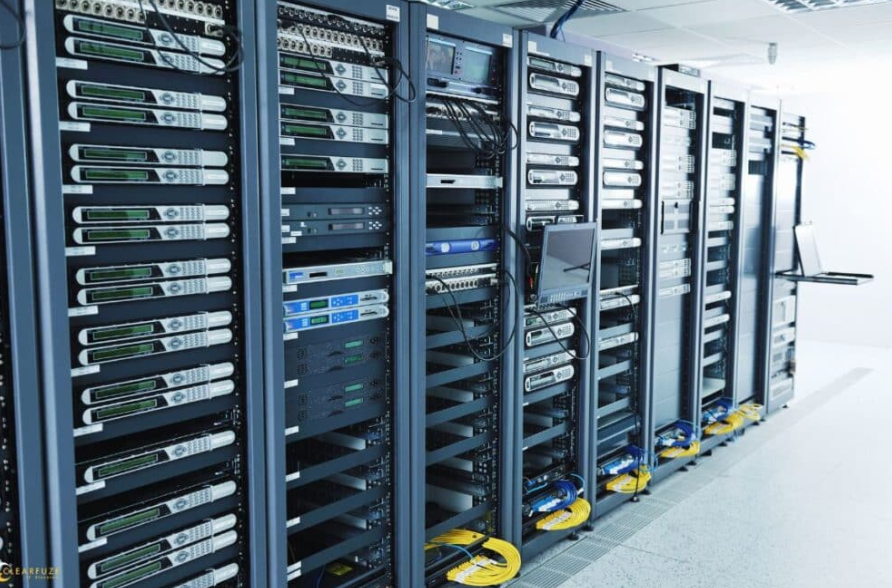
By 2026, hardware problems will remain one of the major causes of server failures. Time and stress cannot spare such physical elements as processors, hard drives and memory modules.
The long use of these parts may lead to wear and tear, particularly in the nearly working environments where machines are subjected to excessive workloads without any adequate time or maintenance. Unexpected breakdowns are usually based on the unnoticed indicators of weariness, like odd sounds of hard disks or irregular functioning of power sources.
The other hardware problem is overheating, which can be caused by poor cooling systems or an obstructed airflow. Even minimal rises in the operating temperatures can shorten the life of components in the servers and cause irreversible damage.
Another weak point is related to faulty or inadequate power supplies. Power variability, power surges, and untrusted backup power systems can have a serious effect on hardware integrity.
Modern monitoring tools are the ones that are currently being used to monitor the health and performance of each component in real time to avoid disruption caused by hardware. Such tools are able to detect abnormalities, which include increased temperature, or reduced disk read/write speed, even before they develop serious failures.
Companies are also becoming more proactive like with the use of a systematic method of changing outdated parts and selecting modular hardware layouts that would make upgrades and fixes easier.
Software Glitches and Bugs
The causes of software failures may be of various nature such as coding errors, mismatch of compatibility or conflict between applications. Since by 2026 server environments will become more complex, even minor bugs in operating systems or third-party software can multiply and cause unexpected behavior and service downtimes. With a very interconnected system, a single defective update or improperly developed script could propagate through a complete infrastructure, resulting into downtime or destruction of data.
The instability of the servers can also be caused by rapid deployment cycles which are typical of the modern software development. Although the updates are supposed to add some new features or fix some vulnerabilities, the rushed releases may not have adequate testing and thus they may pose new issues. Also, the existence of legacy software that is not supported is very dangerous and the security vulnerability or lack of efficiency can cause an instability of the server in combination with new hardware or other programs.
The other challenge is where the organizations have used customized or proprietary software solutions. Although customized systems have advantages of flexibility, they usually demand expertise in troubleshooting and servicing. This may postpone solving software-related problems particularly in cases where the solution to such problems is urgently needed to get processes back on track.
In order to decrease the chances of glitches, companies are resorted to automated systems that check the performance of the software, identify anomalies, and implement patches when necessary. Trends like memory leaks, application crashes, etc. can be tracked with these tools before they affect server stability.
Besides, the rollback software change should also be implemented so that the problematic software updates can be reverted with minimum inconvenience. Coupled with these technological solutions, good collaboration between the development and IT teams also aids in facilitating an easier time in troubleshooting and minimizing the downtime in the event of any problems arising.

Cybersecurity Threats
In 2026, the focus of the attackers on cyber-attacks is on servers with more sophisticated measures aimed at seizing the weak points. Ransomware is also a threat, where the most important data is encrypted and a payment has to be completed to de-encrypt it, and distributed denial-of-service (DDoS) is a threat that floods the server with data, making the systems inaccessible. Such other strategies as phishing attacks and malware intrusion are persistent threats that threaten the stability of servers and the security of confidential data.
New technologies and the integration of systems may create new points of entry into the system unintentionally, allowing cybercriminals to enter. The prevalence of Internet of Things (IoT) devices, cloud-computing services, and working remotely has magnified the attack surface, and it is of great importance that organizations should mitigate any vulnerabilities. The hackers can use the poorly secured endpoints or delay in patching so as to obtain unauthorized entry into servers.
Human error remains to be a major contributor in most cybersecurity attacks. Employees might accidentally install the malicious files or become a victim of the phishing emails with a sophisticated disguise. Unless a professional training has occurred, even the most sophisticated technical security can be compromised by user level error.
There is a multi-dimensional solution to these threats adopted by organizations, which is utilizing a mix of sophisticated security applications and strategic policies. Identity and access management (IAM) solutions assist in making sure that systems with sensitive data can only be accessed by authorized staff members.
To enable rapid response to any possible breaches, the endpoint detection and response (EDR) tools are continuously monitoring devices in case they show any signs of suspicious activity.
Moreover, frequent penetration testing is being employed in the detection and resolution of weaknesses prior to their utilization by attackers. Threat intelligence services also offer real-time updates of new attack patterns, and this enables organizations to change defenses in advance.
Encryption is also becoming a norm in the storage and transmission of data by companies so that information intercepted could not be easily used. Good internal practices, including two-factor authentication and limited access by the administration can be used to minimize the threat of unauthorized server interaction. Companies can fight the changing nature of cybersecurity threats by investing in prevention and response in time.
Network Connectivity Issues
The network issue may arise due to numerous technical and physical factors, which influence the server reliability to a great extent. Network limitations can be a consequence of network demand being at a level higher than the network capacity resulting in the congestion and delay in data transfer.
This may interfere with the services of servers who deal with traffic of high quantity especially at peak times. Another possible problem is misconfigured network devices, e.g. routers or switches, which may introduce inconsistencies in the data routing or poor prioritization of traffic, which makes server response times even harder.
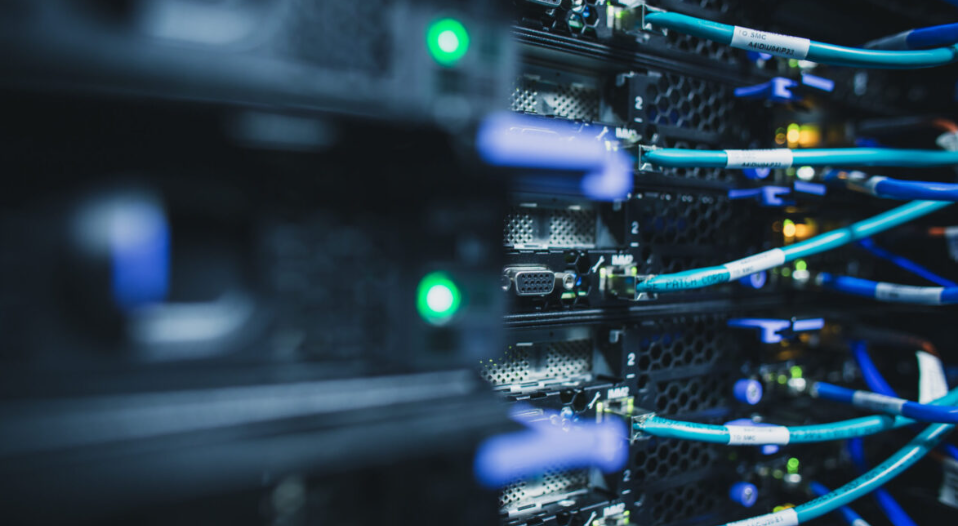
Physical problems (destruction of cables or improperly put-in connections) may disrupt data transmission and cause occasional connection issues. Such disruptions can also be very subtle until they start to cause an end user experience, and therefore proactive maintenance is necessary.
The use of older networking devices, e.g. old switches or wireless access points, can also be unable to match the new demands, which is yet another complexity to the problems with server performance.
Companies are moving towards more sophisticated network monitoring technologies that offer real-time information about the state of the network. The performance metrics that can be monitored with these tools include latency, packet loss, and jitter, giving IT teams the ability to be able to detect new issues and make them go away swiftly. Automated diagnostics will assist in identifying the underlying cause of disruptions as well as minimizing downtime through manual troubleshooting.
The use of redundant paths and load-balancing mechanisms can be used to design strategic networks that reduce the risk of single points of failure in an infrastructure. Software-defined networking (SDN) is increasingly becoming popular due to its dynamic capability to handle traffic and optimize it under real-time conditions to guarantee efficient data flow. This can be further improved by proper segmentation of networks that will improve security and localized problems will not spread to the rest of the infrastructure.
High speed fiber optic connection investments and good network equipment is becoming a norm among the businesses that want to guarantee the smooth running of their servers.
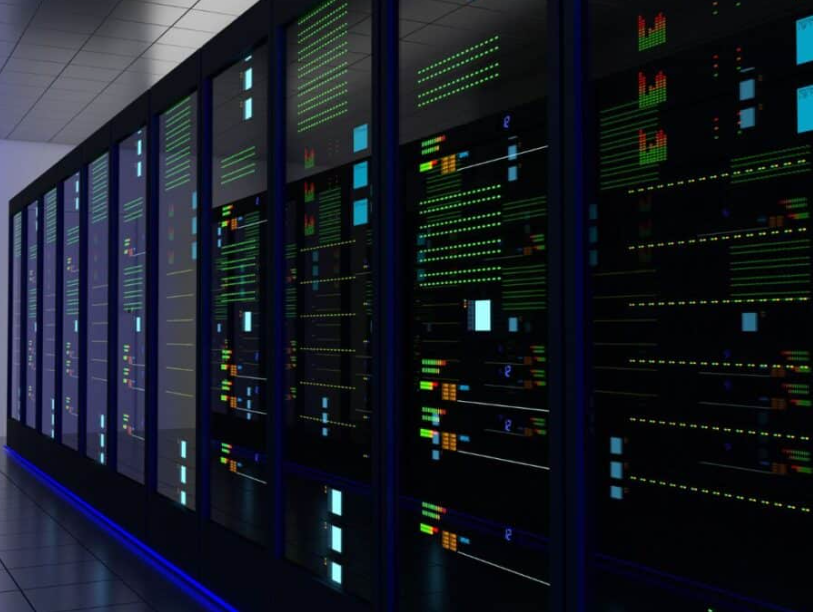
Data Center Environmental Challenges
Data centers are important in providing data reliability of the server, yet their environments subject to special difficulties in case of improper maintenance. Temperature regulation is one of the major problems. Overheating is a condition that may occur due to high temperatures that may be occasioned by inefficient cooling systems, which may reduce the life span of essential hardware elements.
Conversely, extremely low temperatures can also lead to inefficiencies in operations and it is necessary to have a consistent range that facilitates good performance of the servers.
The other thing that may affect the functionality of data centers is humidity. Higher levels of humidity raise the chances of condensation that can damage electronic parts whereas lower levels of humidity can result in the occurrence of a static electricity which may cause damage to delicate equipment. Humidity level, proper supervision, and controls are crucial in securing the physical integrity of server systems.
Power stability also plays a major role in ensuring datacenter operations. Power outages, transient load, or spikes may affect the performance of servers or have long-term hardware damage. These risks are averted by having reliable backup power systems like uninterruptible power supplies (UPS) and onsite generators that will keep the system operational in the event of power interruption.
Besides managing the environmental factors, physical layout and airflow management are necessary in the prevention of hot spots and even cooling throughout the facility. The racks, cables and the cooling units should be positioned strategically in time to optimize the airflow, raised flooring or hot and cold aisle containment can be used to increase the efficiency.
Conclusion
Frequent maintenance and preemptive inspection also reduce the possibility of environmental disruptions. Real time monitoring tools that are used to monitor key metrics like temperature, humidity, and power consumption can help IT teams respond to possible issues before they get out of control.
With the further increase in the demand of large and more complicated data centers in 2026, the effective infrastructure investment alongside well-developed environmental control will assist companies to retain the high availability of their servers as well as covering the future demand.
Don’t let server failures disrupt your business, use OffshoreDedi servers for reliable performance and seamless website operations today.