Introduction to Packet Loss
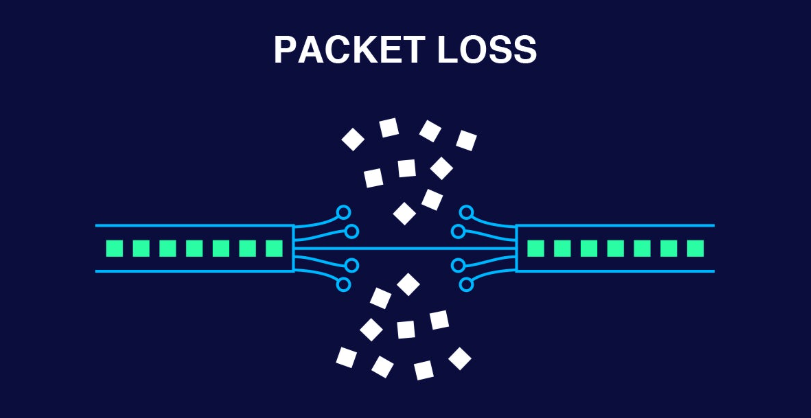
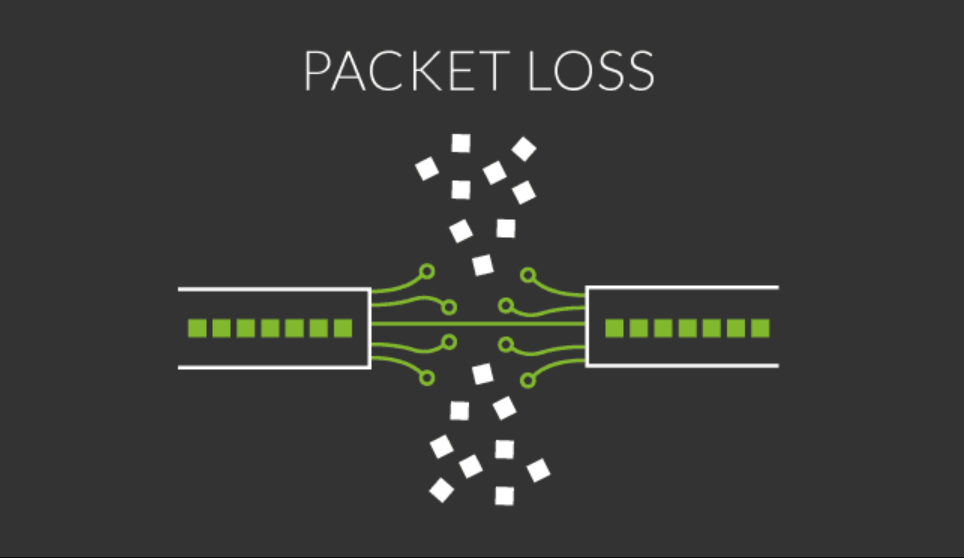
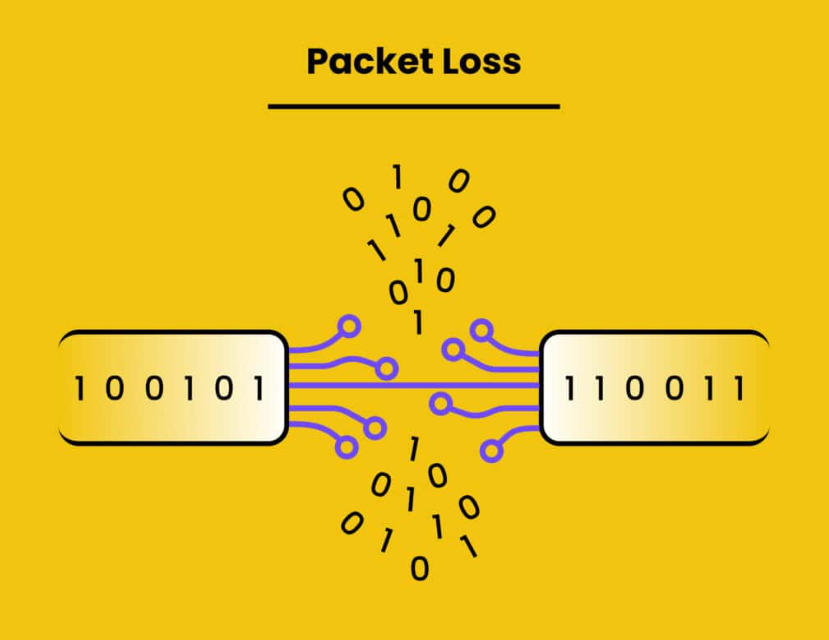
The digital world of the 2026 era will be fast-paced and all the data will be continuously circulating throughout the networks, allowing communication, transactions, and operations to occur at a global level. Packet loss happens when fragments of this information do not reach their destination creating gaps in the information that is being transmitted. Although networks are meant to effectively manage data, the occurrence of packet loss creates inconveniences that may cause conspicuous delays and latitudes.
Packet loss may occur at any of the steps of the data transmission process, either at the encoding of the data, transit or decoding. It has a more noticeable impact when it is used in the applications which require real-time interactions, including video conferencing, streaming or gaming online. Any little disruption in such cases may lead to delays, buffering or broken connections that annoy end-users and ruin the experience.
To server administrators and IT teams, packet loss is a thorn in the flesh, since it affects the effectiveness of servers to process and pass information. In a situation where the data does not work as expected, it has to send packets again, which is a waste of bandwidth and workload on servers. Such a chain reaction has the capacity of putting a strain on the network infrastructures making them susceptible to inefficiencies and instability.
The causes of packet loss may be different in nature and may include external causes that include network congestion to internal causes such as using obsolete equipment or improper configurations. Determining the actual root causes of any particular system is a process that involves in-depth analysis since the nature of modern networks usually complicates the process of establishing the origin of the issue.
In the case of businesses and organizations that depend on smooth activities on a digital platform, the ramifications of overlooking the problem of packet loss may swiftly turn out to be enormous, resulting in worsening performance, rising latency, and possible data integrity concerns. Prevention of the loss of packets is very vital so that the effects of the loss can be prevented before it begins to accumulate to more system-wide issues.

Impact on Server Efficiency
Where there is a loss of packet, the ripple effect on the activity of the server is instant and is usually disruptive. Servers depend on steady stream of data in order to handle the requests and ensure a well-flowing interaction between the systems and the users.
Lost packets can cause servers to consume more resources in order to deal with retransmissions which can soon result in overloaded systems. With the workload, the servers can find it difficult to service the requests that come in and this poses a bottleneck to performance.
In applications that must have accurate timing and synchronization, e.g. live-streaming or online transactions, loss of packets will cause delays that may affect the desired functionality. The delays trigger timing discrepancies between each other which disrupt the fluid exchange of information making the system less accurate and responsive.
Furthermore, the inefficiencies that are caused by the packet loss are not limited to instant performance. The requirement of repeated retransmissions is a consumption of bandwidth which can be used to perform other assignments, thus causing a general slowness of the network.
This is particularly problematic in a scenario where the server has to deal with large numbers of traffic as the cumulative consequences of packet loss may rapidly escalate into greater problems, including low throughput and higher operation costs.
The extent of the impact of the packet loss on the performance of the server usually relies on the nature of the network infrastructure, and the strength of error handling mechanisms. The networks with insufficient defenses against the loss of packets are more vulnerable to disruptions and the consecutive failures.
To organizations, these inefficiencies may directly affect the customer satisfaction and reliability in their operations and packet loss is a major issue of concern when ensuring the reliability of their server environments.
Factors Contributing to Packet Loss in 2026
A number of factors in the contemporary networks lead to the loss of packets that usually pose a great difficulty in sustaining the performance of servers. Network congestion is one of the major causes, where the amount of data traffic exceeds the capacity using the network infrastructure.
This has been a growing concern with the bandwidth-intensive services including video streaming and cloud applications becoming the major activity online. Servers with high traffic have difficulties coping with the data flood which causes drops of packets.
The other cause is due to the problems of hardware. The damaged network equipment (routers and switches) might be unable to handle the data appropriately and stall the transfer of packets. The problems are made even worse by old or inadequate hardware components which cannot handle the demands of the current data rates. On the same note, network operating systems, or applications may have bugs that may discontinue the flow of information, which may end up as unnecessary losses.
Poor network configurations are also contributory factors to packet loss. As an example, the wrongly configured transmission parameters, routing errors, or improper access control list handling may disrupt the smooth operation of delivering the data. Such oversights tend to be overlooked in the normal day operations but they can and do work up to become significant inefficiencies in the long run.
There are other problems associated with wireless networks that affect the delivery of packets. Wall size or metal construction is a physical barrier that interferes with signal strength and decreases data integrity. Wireless communication can also be disturbed by electromagnetic interference by the surrounding electronic devices. These disruptions are especially troublesome in a city where wireless devices are used in close proximity to each other.
Finally, the other cause of packet loss is the cybersecurity threats. The distributed denial-of-service (DDoS) attacks, such as flooding servers with a lot of traffic intentionally, will overload servers, and legitimate packets are dropped. These attacks do not only disrupt the performance of servers, but also need resources to address.
With the ever-changing digital systems, network inter-relationships pose a risk of packet loss because of multiple and unpredictable issues. To ensure good network health, these contributors should be treated carefully and with accuracy, whereby systems are made to address the challenges of the modern day of communication requirements.
Strategies to Mitigate Packet Loss
Effective mitigation of packet loss is dependent on the effective exploitation of proactive and reactive techniques to maintain a continuous flow of data. The use of effective network monitoring systems can empower IT departments to detect problems when they occur so that specific solutions can be applied before things deteriorate. These tools can give real-time information on the performance of the network, which can show the areas where the packet loss is common.
Among the measures that can be taken practically, there is the use of error correction measures, including Forward Error Correction (FEC), which allow to compensate some lost data by reconstituting lost packets without retransmission. These technologies make the process more reliable particularly in areas that are highly vulnerable to traffic jam or noise.
Modernization of network infrastructure contributes majorly to lessening of packet loss. High quality hardware including the use of modern routers and switches should be also invested in so that the system could manage the larger data loads more effectively. Likewise, the implementation of innovative firmware updates can alleviate the vulnerability of software, which can be a cause of the loss of packets.
The network configurations also have to be optimized. This can be guaranteed by making sure that no unnecessary delays or drops are experienced by making sure settings are correct e.g. by setting the transmission parameters and priority of critical traffic with Quality of Service (QoS) policies. QoS specifically is essential to those applications that need real-time performance such as voice over IP (VoIP) or online streaming services.
In the case of wireless networks, the significant concern is the enhancement of signal strength and minimal interference rates. Access point location and the usage of dual band or triple band routers can be used to ensure stable connections. The use of the frequency management is used to reduce interference caused by overlapping channels or a neighboring device particularly in heavily populated urban areas.
Besides this, there is the introduction of redundancy in network design which increases fault tolerance. Systems are able to reroute information using several routes in case one of the main pathways fail. This is an especially effective way of reducing disruption of large-scale networks.
Firewalls and intrusion prevention systems are also important in alleviating packet loss due to malicious attacks through cybersecurity. Those solutions will ensure that the traffic to servers does not overwhelm and that a constant stream of valid data is controlled.
Lastly, performance can also be improved by collaborating with the internet service Providers (ISPs) in the resolution of external bottlenecks. Scalable infrastructure and traffic management capabilities built on ISPs assist in relieving congestion to ensure a smooth communication within networks.
Future Outlook and Innovations
The future of the network performance will be determined by the innovative technologies aimed at addressing issues such as the loss of packets. Artificial intelligence (AI) and machine learning (ML) are some of the most promising innovations that are getting more and more integrated in network management. They are also able to process large volumes of data and determine patterns and predict failures as well as make adjustments in real time. Allowing the robots to react to the appeared problems automatically, AI and ML will minimize the necessity of human intervention, making the process of data transmission more efficient and efficient.
The other innovation activity is the improvement of the network protocols. New protocols are being created to optimize the data flow and enhance the abilities to manage errors even in the circumstances of high demand. The aim of these protocols is to dynamically evolve with variable network conditions to maintain an uninterrupted performance despite the traffic variation or external interference.
Conclusion
The new hardware technologies are also contributing hugely to the enhancement of the performance of servers and minimizing the loss of packets. Design and development of semiconductors and networking devices are setting the stage of faster and better data processing and delivery. The new generations of switches, routers and network interface cards are being designed with increased speed and data capacity to handle the growing requirements of the modern applications.
Along with the development of hardware and software, there is another promising solution, which is the emergence of edge computing. Having a decentralized data processing and putting it closer to the source improves the load on central servers and ensures that the chances of data leakage during management are minimized. This change enables better and more dependable performance, more particularly when handling applications that need real-time responsiveness.
Also, the wireless communication technologies that will be developed, including 5G and others, will offer greater bandwidth and reduce latency, which will solve a significant portion of the existing problems linked to packet loss. The possibility to have more stable relationships will become essential as the dependence on wireless networks is increasing.
As these innovations proceed, they will see the capability of sustaining efficient and consistent server performance, continue to improve exponentially, in line with the requirements of an ever more digital world.
Prevent packet loss and ensure smooth, reliable network performance, choose OffshoreDedi high-quality server solutions today.