Introduction to Centralization and Decentralization
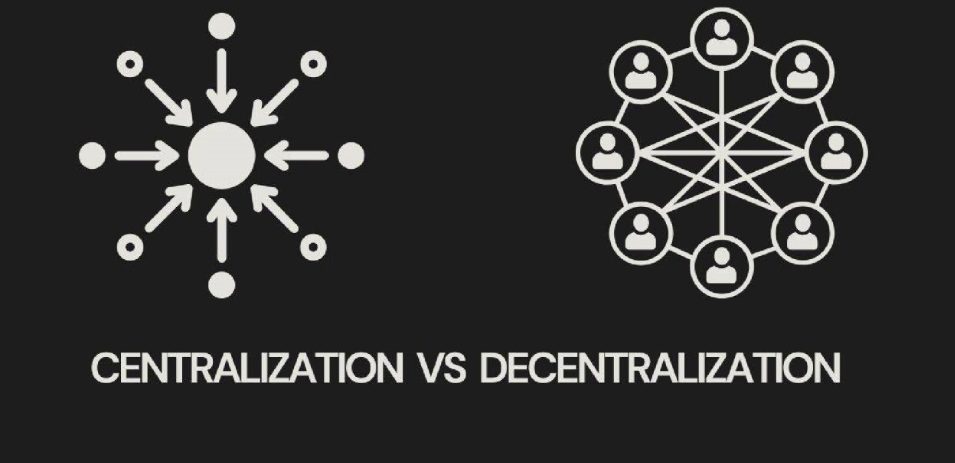
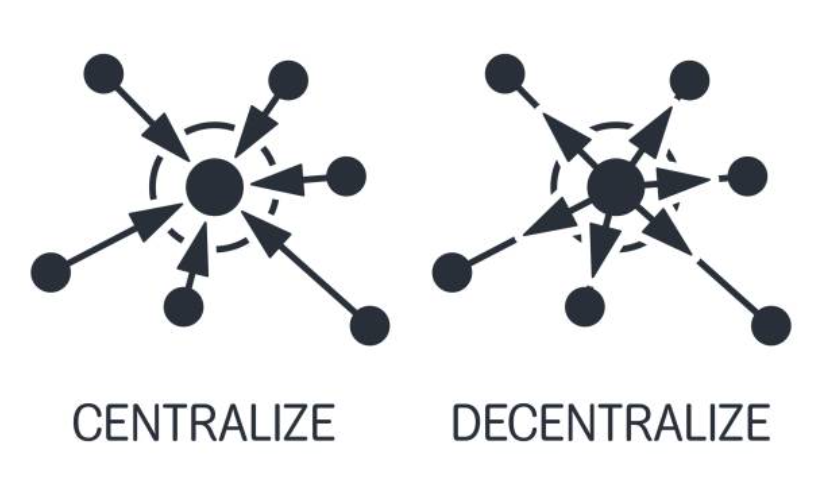
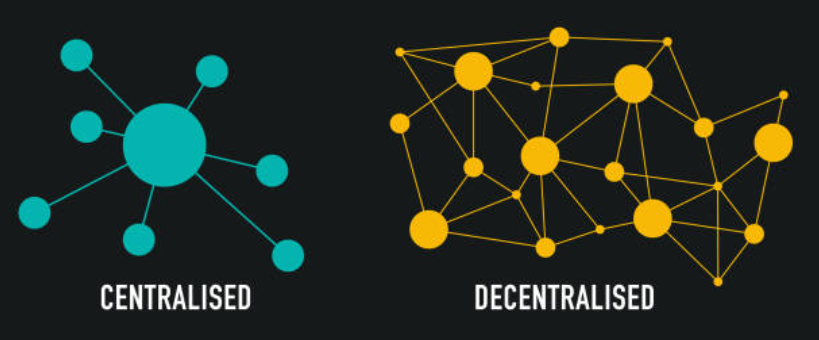
In the world of website management, centralization and decentralization represent two distinct approaches to handling control and data. Centralization functions under a system where one authority controls and administrates everything on the site and the other often has a dedicated server or central server where data is stored and operations are maintained. Such structure makes management easier and it may create issue of control and privacy.
On the contrary, decentralization is based on the distribution of data and control to various places or nodes. The plan capitalizes on these types of technologies like blockchain or peer-to-peer networks to create a system where a party does not control the other. Decentralized structures are designed to strengthen liberty and reduce reliance on a central node, which can have an impact on the security, data empowerment, and decisiveness.
Both models have their own set of features that are to be considered carefully, particularly, when the owner of a webpage is determined to keep up with the trends in the industry and the expectations of the users.
These two methods are frequently determined by such aspects as the difficulty of the site, the importance of security and the degree to which the user data should be controlled. It is important to know these essential distinctions in order to evaluate how any of models can address particular needs.

Advantages of Centralized Websites
One key advantage of centralized websites is the ability to manage resources efficiently. With all operations controlled from a single location, administrators can allocate bandwidth, storage, and other resources as needed without the complications of coordinating across multiple points. This centralized control allows for quicker adjustments to accommodate traffic spikes or other unexpected demands.
Centralized systems also simplify integration with third-party services. Whether it’s adding a payment gateway, implementing analytics tools, or connecting to marketing platforms, these integrations are often more seamless when dealing with a unified system. This makes it easier for website owners to expand functionality and enhance user experiences without significant technical hurdles.
Additionally, centralized websites often benefit from faster response times when handling user requests. Since data and services are hosted in one place, the system can process requests and deliver content more quickly, contributing to improved performance and user satisfaction. It could be of special interest to web sites which are largely reliant on real time communication or real time content provision.
The other interesting aspect is that stringent access controls and permissions can be enforced. The centralized system will enable the administrators to regulate access to certain parts of the site and offer a more restrictive access area and reduce the chances of unauthorized modification or information leakage.
These features make centralized websites particularly appealing to the organizations that handle sensitive information or demand frequent control of the activities.
Advantages of Decentralized Websites
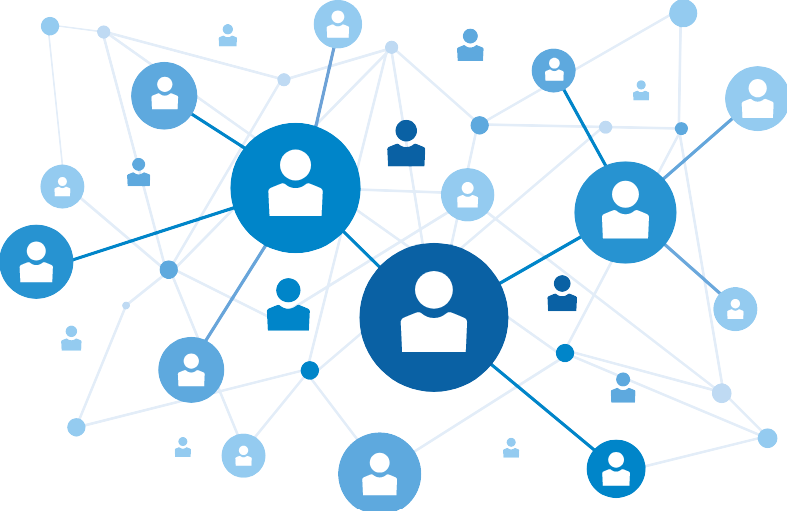
Decentralized websites are more open to transparency as users can verify the information by themselves without the help of one authority. This creates a sense of trust in the users because the decentralization will reduce the chances of manipulation of data or biased decision making. Having information distributed among different nodes, such websites particularly provide a more democratic solution to data management and control.
Decentralization is another advantage of the systems that are flexible. The decentralized system of these networks is such that a single node can be independent and therefore easier to sustain even when some parts of the system suffer the technical failures. This flexibility allows the operation to continue and reduces downtime due to local disruption.
Decentralized websites also can be easily used to serve global audiences. They can distribute data storage and processing on an enormously large network and thus lowers the latency and improves the performance of users of the site in various geographic locations. These increased availability helps to offer a better uniform user-experience, regardless of where the visitor is located.
Lastly, most of the architectures are decentralized which encourages innovation. The developers can add to the existing frameworks or contribute to improving the system, which establishes an amicable environment to technological development. New tools, additions, and integrations can lead to additional functionality of websites in the long term, which is the outcome of such open ecosystem.
Challenges of Centralization
Centralized systems can create bottlenecks when handling a high volume of user requests or data processing, potentially leading to slower performance during peak times. This is also a major drawback to the overall user experience especially on websites that are busy or have complicated features.
Moreover, the centralized nature also implies that when there is poor management, misconduct or maliciousness at the top, it can be extremely far-reaching to the whole system. This dependence may precondition the proprietors of sites to management or functioning insufficiency.
Another issue is scalability of centralized platforms. Websites are developing and, as a result, the process of upgrading the infrastructure to support more traffic may prove to be both expensive and time consuming. This problem may obstruct the capability to match the fast pace of growth or the changing needs of users and exert further pressures on resources.
Furthermore, centralized models can be targets for cyberattacks, as attackers often focus on exploiting the single, critical point where all data and operations converge. This creates a heightened need for robust security measures, which may require ongoing investment and expertise.
Lastly, centralized systems can face regulatory and compliance challenges, particularly when dealing with users across multiple jurisdictions. Managing data in accordance with various legal requirements can complicate operations and increase the risk of fines or legal disputes if regulations are not adequately met.
Challenges of Decentralization
Decentralized systems are sometimes hard to comprehend and maintain, and may require a great deal of technical expertise to implement. The establishment of a reliable infrastructure implies the deployment of distributed networks, safety in data transmission and compatibility issues that take time and resources to address.
The cost can also relate, where a decentralized platform can put a strain on investments in high-level hardware, software and technical maintenance. Unlike centralized systems, which often benefit from economies of scale, decentralized setups can be more fragmented and less cost-efficient in their initial stages.
Additionally, ensuring data consistency across a decentralized network is a significant hurdle. With multiple nodes independently processing and storing information, synchronizing updates can be challenging, especially in real-time applications. Delays or inconsistencies in data replication may negatively impact user experiences or lead to operational inefficiencies.
Another complication arises from the decentralized nature of governance. Establishing a transparent decision-making process or resolving disputes can be difficult when control is spread across multiple entities. Such absence of a centralized control may slacken important updates or create confusion amongst the stakeholders about how the system is to develop.
Lastly, though decentralization lowers the vulnerability of a single point of failure, it does not remove the security threats. Hackers can attack single nodes or they can take advantage of vulnerabilities of communication protocols, and it is necessary to implement effective strategies to protect the entire network.
Choosing the Right Approach for Your Website
The choice that you make on whether to centralize or decentralize your website depends on the requirements of your platform and its users. If your website relies heavily on integrations with external services or requires straightforward management, a centralized approach might better suit your needs. Centralized systems often simplify workflows and make it easier to implement enhancements without extensive technical expertise.
On the other hand, websites that prioritize autonomy, transparency, and global accessibility may benefit from decentralization. Decentralizing control and data to various points can offer a more resilient basis to a system, especially where it involves sensitive information or an international audience.
This method is also closely aligned with a website that aims to lessen its reliance on a single unit and develop systemic innovation.
Budget limitations and resources are also major issues to be taken into consideration in selecting the right track. Centralized setups can be more cost-effective in the short term, as they require fewer upfront investments in infrastructure. Decentralized networks, on the contrary, can be more expensive in the long run due to initial expenditures but with long term flexibility and scalability, especially when the websites are projected to grow considerably.
Your team is also important in the sense of technical knowledge. For website owners with limited technical backgrounds, centralized platforms might be easier to manage, while decentralized systems typically demand a deeper understanding of advanced technologies to ensure smooth operation.
With a proper evaluation of these variables, one would be able to define which of these strategies would be the most adequate and suitable to meet the objectives of your site and the functioning of its operations. Making a wise decision requires a balance between pragmatic concerns (e.g. cost, expertise, etc.) and the desired user experience.
Conclusion: Balancing Centralization and Decentralization
Choosing between centralization and decentralization depends on the specific needs, goals, and resources of a website. The two models have different priorities and they present different benefits and trade-offs.
The centralized systems may tend to make operation easier and easier to manage hence a good option in cases where ease of use and easy integration with external services is the prerogative. Conversely, decentralized systems focus on distribution of control and resilience with platforms of importance to transparency and international coverage.
Rather than viewing these approaches as opposing, website owners might consider blending elements of both models to create a hybrid solution that combines the best aspects of each. For example, some elements of a website could operate on a centralized system for simplicity, while other components adopt decentralization to enhance security or autonomy. Using the strengths of two methods, website owners may develop a personalized structure, which will meet their priorities.
Finally, the decision must be made with due consideration to the size of the website, audience, growth potential and expertise that is available. Careful planning is what will make the approach chosen fit in operational requirements, as well as the expectations of the users.
It will also be necessary to remain flexible with changing technology to ensure a website delivers high performance, security, and user satisfaction in the long-term.