Introduction to Network Security
The rapid advancement of technology has brought with it an increase in cyber threats that target businesses and individuals alike. Network security must be proactive to maintain sensitive information as well as to provide integrity to the system.
This is among the most critical as individuals should be aware of and accessible to the tools that could aid in securing digital environments. Among the many security solutions, firewalls and Web Application Firewalls (WAF) stand out as two essential components.
They are both used as protection provisions, but the area of operation and the scope of these two is very different and one should be aware of which solution may fit within the given needs of an organization. The following posting shall provide such differences and the reasons why they are necessary in curbing the existing cyber threats.
Understanding Firewalls
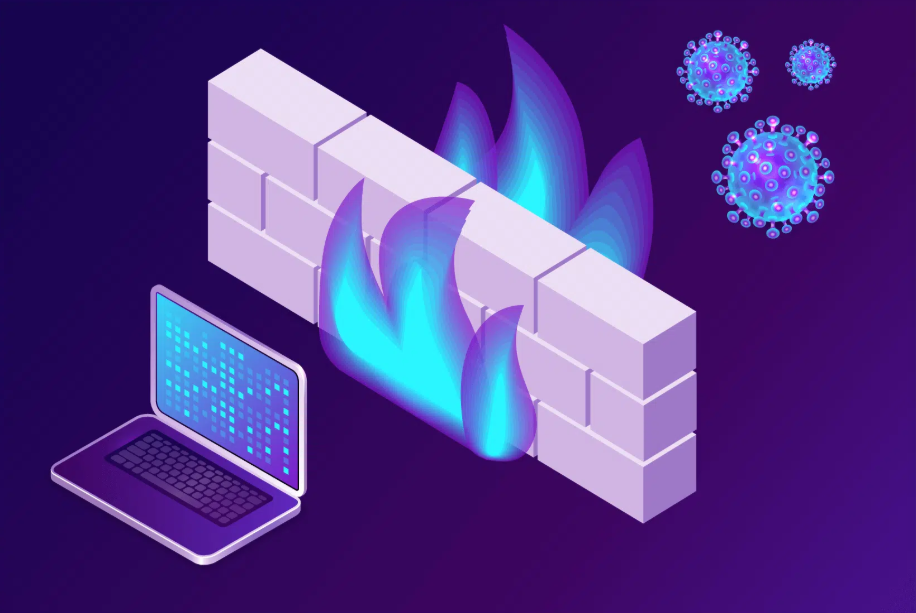
A firewall is one of the most important methods of network security, to control and filter traffic that enters and leaves a network. Firewalls can assess the data packets and decide whether to allow or deny them, by applying a set of predefined security rules. This is possible to reduce risks of unauthorized access, malware and other network-level threats.
Firewalls operate based on the analysis of certain characteristics of data packets including source and destination IP addresses, protocols and port numbers. This thorough scrutiny enables them to implement policies that resonate with the security needs of an organization, where only legitimate traffic is permitted to pass.
Firewalls are available in various varieties and each has its security requirements and applications. Packet-filtering firewalls focus on inspecting individual data packets and apply simple rules to decide whether traffic should pass or be blocked. Stateful inspection firewalls, on the other hand, take into account the context of active sessions, providing more dynamic and intelligent traffic monitoring.
Proxy firewalls are intermediaries, analyzing inbound and outbound traffic and sending it to its destination, to provide an additional point of isolation to critical systems. Next-generation firewalls (NGFW) are also an all-in-one solution because they combine advanced features, including intrusion prevention and application-level control, that make them a flexible option in today’s network world.
Organizations can customize their security approaches to deal with certain threats by implementing the appropriate kind of firewall. For example, packet-filtering firewalls may be suitable for simpler networks with basic needs.
At the same time, NGFWs can meet the demands of complex infrastructures requiring in-depth monitoring and proactive threat prevention. In all cases, firewalls play an essential role in maintaining the safety and integrity of digital systems.
Exploring Web Application Firewalls (WAF)
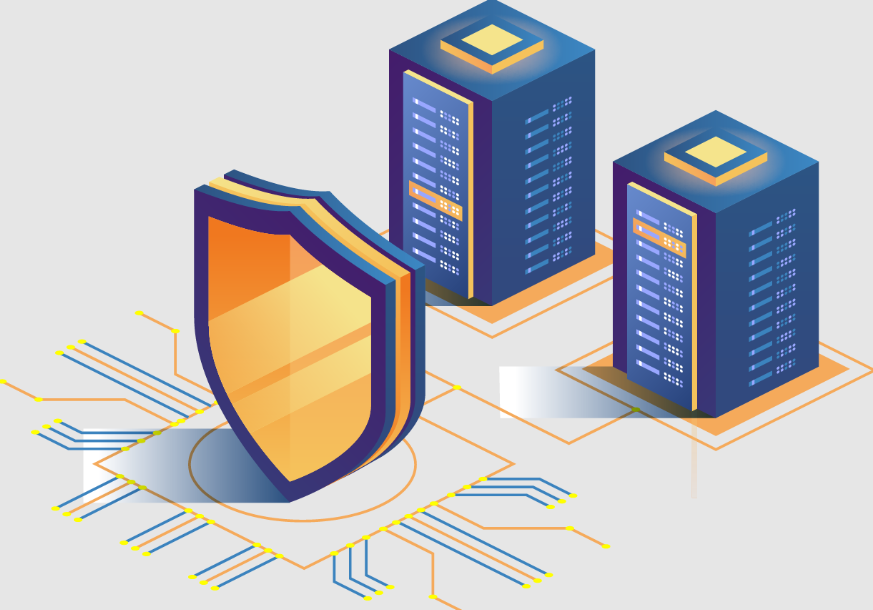
A Web Application Firewall (WAF) is a specialized security tool aimed at defending web applications by analyzing and controlling traffic at the application layer. It is basically used to discover and avert attacks which take advantage of vulnerabilities in web applications.
WAFs provide a protective barrier against malicious actions that exploit application vulnerabilities in the application code or design by targeting HTTP/HTTPS traffic.
The threats WAFs combat include SQL injection, cross-site scripting (XSS), and cross-site request forgery (CSRF). Such attacks can be created to steal sensitive data, interfere with the functionality of a web application, or interfere with operations. WAFs operate by looking at incoming traffic and setting rules that will block malicious traffic before it reaches the application.
Depending on how they are deployed, WAFs fall into three main categories. Network-based WAFs are implemented as hardware appliances and are ideal for environments requiring high-speed processing. Host-based WAFs are applications designed to be embedded into the infrastructure of the application and provide a more customizable solution based on the application-specific needs.
Finally, cloud-based WAFs are services operated by a third party and thus provide scalability, flexibility, and are simple to deploy with little to no on-site resources in many cases.
An important benefit of WAFs is that they provide real-time protection against new threats because they can evolve rather rapidly by updating their rule bases when new vulnerabilities are discovered. Besides that, WAFs can also enhance compliance efforts by fulfilling regulatory requirements related to the security of web applications. This renders them an essential part of any business which operates web-based applications to offer services or customer care.
In addition to blocking attacks, WAFs also provide insight into traffic behavior, enabling organizations to gain a better understanding of how their applications are being utilized and abused. This kind of knowledge can also strengthen security overall.
Key Differences Between Firewalls and WAF
Firewalls and Web Application Firewalls (WAF) differ primarily in their scope and functionality. The purpose of firewalls is to block traffic across a network based on the properties of IP addresses, port numbers and protocols.
They are interested in the network perimeter protection, and the unauthorized access to internal systems. In contrast, WAFs focus on protecting web apps by inspecting traffic at the application layer (vulnerability to code or design problems in the application).
The operational layers in the OSI model further distinguish these tools. Firewalls function at the network and transport layers, where they filter and control the flow of data between different devices. WAFs, on the other hand, are application layer proxies which provide fine-grained access control to web traffic.
These technologies have different focuses as indicated by their use cases. Firewalls are best suited for managing overall network security, controlling access, and preventing general network-level threats. In contrast, WAFs also handle web application-specific threats, including SQL injection, cross-site scripting (XSS) and other threats that can take advantage of vulnerabilities in web services.
The methods of deployment also vary. Firewalls are typically implemented at the edge of a network, acting as a gatekeeper for inbound and outbound traffic. WAFs, however, can be deployed as hardware appliances, software integrated into application infrastructure, or cloud-based services, allowing flexibility based on the requirements of the web applications they protect.

Choosing the Right Solution for Your Needs
Selecting between a firewall and a Web Application Firewall (WAF) depends largely on the specific challenges your organization faces and the assets you aim to protect. If your primary focus is safeguarding the overall network from unauthorized access or malicious activities, a firewall is a key solution. Firewalls are effective for enforcing perimeter defenses, especially in scenarios where network segmentation and traffic monitoring are crucial for maintaining security.
On the other hand, if your organization relies heavily on web applications, a WAF may be the better choice. Cybercriminals tend to focus on web-based platforms as they are directly exposed to the internet and the sensitive information they handle. A WAF offers specific protection to such applications to reduce the risks of an injection attack or cross-site scripting.
The complexity and scale of your network and application infrastructure are also important factors to weigh. Smaller, straightforward environments may benefit from a simple firewall configuration.
At the same time, larger enterprises with complex application ecosystems may require a WAF or a combination of both technologies to address more nuanced risks. Organizations that handle significant web traffic or maintain customer-facing applications may also prefer the added visibility into web activity that a WAF provides.
Budget and resource constraints often influence decisions as well. Firewalls, particularly traditional options, may be easier to implement and maintain in smaller operations. On-premises and cloud-based WAFs are both flexible and scale able to organizations that place a premium on web apps security, but may require additional expense or expertise.
The WAFs and firewalls are integrated to offer a more comprehensive solution to companies that seek layered defenses. There are various tasks of the tools and their joint use ensures to a higher degree of security on various levels of potential vulnerability. Firewalls are complementary to the application-level vulnerabilities that WAFs mitigate, although both focus on the safety of the infrastructure.
Conclusion
When choosing the correct security tools, it is important to learn the role of each tool and its response to certain threats. Firewalls are perfect as far as screening and controlling traffic is concerned within a network and cannot be ruled out as far as protecting the infrastructure as well as providing safe boundaries.
However, WAFs, unlike them, are programmed to suit the requirements of the web applications security issue, including vulnerabilities that can be manipulated to gain access to sensitive information or maliciously interfere with the business operations.
The combination of such tools can help an organization expand its capabilities to counter a range of threats. While a firewall establishes a strong network foundation by preventing unauthorized access and filtering malicious activity, a WAF provides focused protection at the application layer, shielding web-based services from targeted attacks.
In combination, they provide a multifaceted approach to security, which deals with both vulnerabilities on a network and those related to applications.

Whether to use one or both tools must depend upon the individual requirements of your organization. This choice can be informed by assessing the size, complexity and exposure of your online world. For businesses managing a combination of internal systems and customer-facing web platforms, the combined use of firewalls and WAFs offers comprehensive coverage.
There is always a need to implement dynamic and responsive solutions to cyber threats which keep adapting. Being mindful and utilizing technologies that are appropriately aligned with your business requirements will enable you to create a robust security infrastructure that not only becomes more resistant to current challenges but also able to foresee future threats. This will make your organization very secure in a world that is continuously becoming globalized.