Introduction to Network Latency
In the world of online applications and services, speed is not just a luxury but a necessity. It is network latency that has major impact on the speed data takes from a user to servers. In a nutshell, latency is the time it takes for the data to complete one round trip—before the user sends a request there, it arrives on the server and comes back to the user before a response is delivered. The faster this process occurs, the smoother the experience feels for users.
The latency can be quite conspicuous in application where the users would expect a real-time response, including video conferencing, gaming, or online shopping. Even minor delays can cause disturbance in interactions or transactions, and has the disgruntling effect on users and possible impediments to businesses. With modern projects, it is quite possible that one of the most important ways to meet the expectations of users is by paying special attention to the factors that affect latency.
While technology has made great strides in minimizing delays, some level of latency is inevitable due to the nature of digital communication. However, understanding where latency originates, whether it’s related to physical distance, network infrastructure, or congestion, is the first step toward managing it effectively. Failing to address these concerns early in a project can have cascading effects that negatively influence overall outcomes.

Impact on Project Performance
Network latency has a direct effect on how well a project performs, particularly when it comes to the responsiveness of applications. When delays occur, users are often left waiting for pages to load or actions to complete, which can quickly lead to dissatisfaction.
This problem is especially acute in other areas of business where the factor of speed plays an essential role, e.g., in the e-commerce or streaming industry where users expect the results received within a few minutes.
A high level of latency may also interfere with work configurations in organizations that require real time information processing or communication. For example, teams using collaborative tools may experience interruptions that hinder productivity, or businesses dealing with time-sensitive transactions may face delays that affect their bottom line. The longer these delays persist, the harder it becomes to maintain operational efficiency.
In addition, latency issues can have a cascading effect on user retention. Modern users have little patience for slow applications and are likely to abandon a service altogether if they encounter repeated delays. This not only impacts immediate user engagement but can also damage a brand’s reputation over time. The better optimized systems are often used by competitors and they have an advantage because users can expect the system to meet speed and reliability requirements.
Ultimately, unique to high latency is the aspect that exceptional latency poses a threat that is not limited to technological performance, but rather spills into all other areas of performance including customer satisfaction and even the ability of a project to succeed in a competitive market.
As organizations, businesses and individuals sweat over the best ways to deliver applications, latency needs to be addressed as a feature of application performance to maintain relevance and appeal.
Common Causes of Network Latency
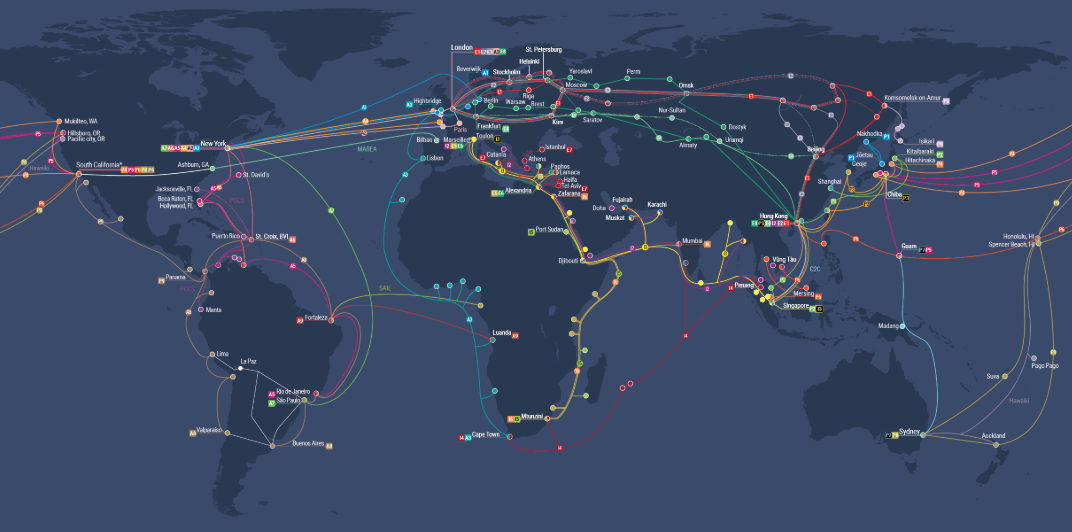
Several underlying factors can contribute to network latency, each of which poses unique challenges for maintaining fast and efficient data transmission. A major contributor is the time it takes for data to travel across physical infrastructure, such as fiber optic cables or satellite connections.
The geographical separation between the user and the server plays a critical role, as longer distances inherently require more time for signals to complete a round trip.
Hardware limitations within a network can also lead to delays. Routers, switches, and other devices involved in processing and forwarding data may introduce latency if they are outdated or not optimized for high traffic volumes. Similarly, data packet prioritization issues can cause bottlenecks when devices fail to manage the flow of information efficiently.
Network congestion is another prominent cause, often occurring during peak usage times when too many devices are attempting to use the same resources simultaneously. This overload can result in slower data transmission as packets are queued or even dropped, forcing retransmissions that further compound the delay.
Additionally, software configurations, such as inefficient routing protocols, may direct data through suboptimal paths, unnecessarily increasing travel time. Other effects include firewalls and encryption processes which can add latency in having to perform additional functions prior to transmission or reception of data. Having analyzed such factors and methodologies, it becomes a major concern to identify and work on the various aspects of these factors to enhance overall network performance.

Strategies to Reduce Latency
The solutions to the network latency problem serve to make a step toward current requirements due to application demands. These solutions are reactive and implementation-specific.
One of the strategies is to maximize data transmission by minimizing the steps used to get information yielded by a source to a destination. Streamlining routing protocols and minimizing unnecessary data processing can significantly cut down delays.
Caching frequently requested data is another practical approach. By temporarily storing key data closer to end users, systems can respond faster without the need for repeated requests to central servers. The method is especially useful with fairly unchanging or semi-static content and takes the pressure off the central infrastructure.
The latency is also reduced by upgrading into the modern and high-performance hardware. A greater bandwidth capacity, speedier routers, switches, and servers can help to avoid traffic jams and can optimize data processing. Investments on scaleable infrastructures also face the fact that as demand grows so must the capabilities of the systems without performance degradation.
Also, the use of real-time monitoring tools will indicate areas of congestions. Having deep understandings on the performance of the networks, teams can be able to solve arising problems before they affect users. Traffic prioritization systems, such as Quality of Service (quality of service) settings, can also be configured to ensure critical data is transmitted without delay.
Finally, solutions such as load balancing can be used to ensure that data requests are split widely across servers to avoid overloading particulars points in the net. This makes the utilization of the resources efficient and therefore reduces latency with reliability in times of high demand.
Real-World Examples
Numerous companies have demonstrated how effectively managing network latency can lead to better performance and stronger user engagement. As an example, e-commerce that focuses on reliability and fast response e-commerce systems decrease the cart abandonment rates with faster page loading and checkout processes. Having put in place good infrastructure and caching systems, such businesses offer effortless shopping that builds loyalty in customers.
Another interesting example is given by the gaming companies Online multiplayer games require interaction in real time in order to enable fluid gaming. To address this need, a lot of people have resorted to using distributed server networks that can minimize delays by making sure that servers are situated near to the players. Such measure will ensure fair competition and improve the user experience.
As contrast to this, there are also organizations which have suffered setbacks through failure to consider latency factors. Video streaming platforms, for instance, have encountered buffering and playback delays during high-traffic periods, leading to frustration and loss of subscribers. This can necessitate the redesigning of back-end systems or imposition of content delivery network to respond to user expectations.
The importance of low latency can also be seen through the sphere of financial services. Institutions handling high-frequency trading rely on microsecond-level responsiveness to execute transactions. A delay of even a fraction of a second can result in significant financial losses.
These examples demonstrate how market participants in various industries address the issue of managing latency and how the latter can revise their approaches in order to operate with the minimum of losses and use their strategies to remain competitive in a specific economy.

Future Trends and Technologies
The further development of network technology is on the path of shorter latency and application performance. The best prospect is, perhaps, the implementation of 5G wireless networks that allow extremely fast data transfer and have much less latency than the previous wireless protocols.
It is perceived that such capabilities will revolutionize several industries including augmented reality, telemedicine and even games in that it will permit interactions to occur in real-time, in a seamless manner.
The next transformational technology is called edge computing that is a concept of presenting data processing closer to users by use of localized servers or devices. By reducing physical distance between the destination and the origin that the data has to travel, edge computing could help curb down the delays. The technique is particularly helpful to companies requiring a rapid analysis of the data such as robot-driven vehicles and internet of things.
Artificial intelligence and Machine learning are also increasingly coming into play in the network performance management and optimization process. Intelligent tools can learn to recognize traffic patterns, pre-empt actual/foreseen congestion, and dynamically re-wire networks to avoid bottlenecks before they happen. Such tools allow networks to respond dynamically to any shifting requirements to give a guarantee of steady performance.
Also, improvements in fiber optic technologies and introduction of ultra-fast undersea cables are diminishing the latency in long-distance data copying. Such innovations have been fundamental to businesses that have to compete on a global basis and need to maintain efficient cross border communications and also to users that have to access cloud-based services that have come from geographically remote areas.

Conclusion
Network latency has to be handled to give the speed and responsiveness expected by the users. Projects that are not aware about latency usually suffer in terms of performance resulting in customer dissatisfactions and lack of trust. By identifying causes of latency at an early stage, solutions can be applied to the development process that are aimed at improving the efficiency of data transmission and application performance.
Proactive measures such as enhancing routing process, upgrading the systems and using traffic control instruments keep the systems resilient to fluctuating demands. Companies that put emphasis on this make it easier to match the expectations of users and survive in competitive markets.
In the future, some of the technologies which may be used to further decrease the latency include edge computing and AI-based network management solutions. These innovations will help organizations in coming up with faster and more reliable systems capable of supporting the increased demands of the modern user.
However, in the end, the inclusion of latency management in a project strategy is not limited to technical performance, but when applied, will also enhance user engagement, increase productivity and realize long-term project success.
Remaining persistent in the need to minimize delays will help make certain that your project has the desired smooth experience that customers have made into expectations and positive business/organizational consequences.