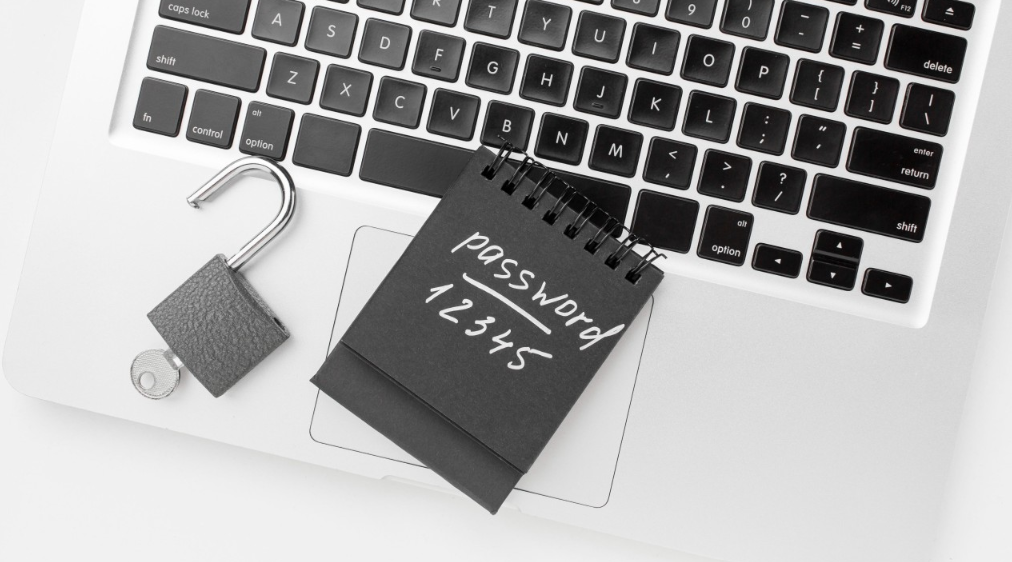
Introduction to Password Security
In a world where so much of our personal and professional lives exists online, maintaining the security of your accounts is an essential part of protecting yourself. Passwords act as the first line of defense, keeping unauthorized users out of your accounts and away from sensitive information.
However, despite the apparent importance of strong password practices or having unique passwords, many people unknowingly put themselves at risk by adopting bad habits that weaken this critical safeguard.
The increasing development of cyber threats is the reason why using old or excessively easy to guess passwords can lead to dire consequences. Cybercriminals continuously devise new methods of exploiting vulnerability, and among entry methods that are easy to break into is use of weak passwords. Such security lapses do not only threaten individual accounts but also form a part of greater security problems when access to shared networks or systems are made possible.
The appreciation of how attackers exploit the vulnerabilities forms one of the pillars of enhancing the security of the password. Many breaches start with simple errors, such as using easily guessable passwords or failing to change default passwords on devices. Awareness of these risks is the first step toward adopting safer practices and staying ahead of potential threats.
Common Weak Password Practices
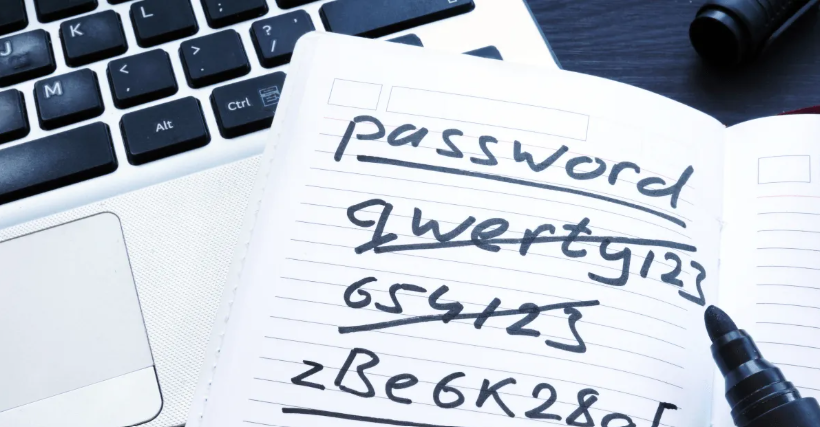
Weak password habits often stem from prioritizing convenience over security. A frequent mistake is using short or overly simple passwords, which are easier for attackers to guess or crack with automated tools. For instance, passwords that consist of dictionary words, predictable patterns, or sequences like ‘abc123’ or ‘letmein’ are highly vulnerable to attacks.
Another risky behavior is the tendency to incorporate personal details into passwords. Information such as names, birthdays, or anniversaries can often be found on social media profiles or public records, making it relatively simple for attackers to exploit. Using such details in your passwords significantly increases the likelihood of unauthorized access.
Sharing passwords with friends, family, or colleagues also creates opportunities for unintended exposure. Even if shared with someone you trust, there’s no guarantee that they’ll handle the information securely, which could lead to accidental or deliberate misuse. Similarly, storing passwords in unsecured locations—like a sticky note on your desk or in a plain text document—further increases the risk of compromise.
Lastly, delaying password updates can turn even a strong password into a potential weak spot over time. Regularly updating your passwords reduces the chances of unauthorized parties retaining access, particularly if your credentials have been exposed in a breach without your knowledge.
Consequences of Weak Passwords
The dangers of having weak passwords may open a gateway to even graver issues, causing the attacks to be implemented more readily since the cybercriminals may take advantage of the situation. There is always the risk of an unauthorized person accessing personal or professional accounts and exposing sensitive information to the unauthorized parties. This may be personal emails, secure working files, or saved usernames and passwords to other sites.
In some cases, compromised passwords result in hackers taking over accounts entirely, locking out the rightful owner and using the access to send malicious messages or scams to contacts. Such activities not only ruin personal image, but they can affect businesses more widely, because business may lose its security system integrity.
Malware or ransomware introduction to the system via compromised accounts is another hazardous consequence. When one has access, he or she may use the account to install malicious programs, or to insist on payment after one gain the links to the normally locked files. Such an attack may be expensive and extensive, especially to those businesses or individuals who depend so much on the usage of digital tools and data.
In the case of organizations, poor passwords employed by the employees might result to bigger security breaches. Even a single account that has been compromised can be used to provide entry of attackers to delve deeper into the network of a company getting information on sensitive customers or intellectual property. Such violations may lead to not only legal problems and regulatory sanctions but also to a corporate loss to the organization.
Weak passwords also increase the vulnerability of accounts to credential stuffing attacks where hackers utilize or steal information on logins that they have gained access to in one breach injecting them into other accounts. This is especially problematic when people reuse passwords across multiple platforms, as a single compromised password can lead to widespread damage.
In cases where sensitive information is disclosed in the wrong hands, it can even end up in the dark web leading to increased exposure of victims. Social security numbers or payment data might take the form of personal information that is used to commit identity theft or monetary crimes.

How Cybercriminals Exploit Weak Passwords
Weak passwords offer attackers an easy entry point, and they use a range of methods to take advantage of them. One of them includes credential stuffing where hackers might use the login data of one of the previously compromised accounts in an attempt to gain access to others. This method works especially well in instances where the user is using the same password on many sites because one hacked profile can ruin the rest in a domino effect.
Social engineering is another popular technique; such criminals are able to coerce people to divulge their password. It may involve masquerading as trusted entities or simulating false situations to result in the retrieval of sensitive information. For example, an attacker might pose as technical support and request login credentials under the guise of fixing an issue.
Some hackers take advantage of public or shared networks, such as free Wi-Fi at coffee shops or airports, to intercept login information. If passwords are sent in an unencrypted format, attackers can easily capture this data and gain unauthorized access.
As well, cyber criminals frequently scan databases that have weak security closely, gathering password hashes which can be broken with exclusive tools. With advancements in computing power, breaking weaker password hashes has become increasingly feasible, even for amateur attackers.
Top hackers have also used malicious programs to record the keystroke and capture the passwords as users type them- known as keyloggers. The installation of such programs might be achieved via phishing or malicious download, which makes it a surreptitious and lethal password stealing tool.
Lastly, cybercriminals can use search engines to scan internet looking to steal default passwords to devices such as routers or smart home set-ups. Users do not make any changes to these settings and as a result, their gadgets are exposed to hacking.
Steps to Improve Password Practices
Strengthening password practices involves creating passwords that are not only hard to guess but also resilient against modern hacking methods. Start by choosing combinations that mix uppercase and lowercase letters, numbers, and symbols, avoiding predictable patterns or sequences. To enhance security, passwords should be at least twelve characters long, as longer passwords are significantly more complex to crack.
One of the ways through which it is easier to manage powerful credentials is by using a password manager. Not only will these tools actively create long, complicated passwords on your behalf, they also encrypt them so that you no longer feel the need to keep track of a variety of log in credentials. With a password manager, you reduce the temptation to reuse passwords across different accounts, a habit that can lead to widespread compromise if one account is breached.
Two-factor authentication (2FA) is another powerful tool to boost security. By requiring a second verification step, such as a code sent to your phone or an authentication app, you add an extra barrier that attackers must bypass. Even if someone manages to obtain your password, 2FA makes it far more difficult for them to access your account.
It is good also to change and update your passwords at regular intervals particularly on accounts linked with sensitive data. Frequent updates reduce the possibility of risks imposed by outdated, possibly weakened passwords. For additional protection, avoid storing passwords in unsecured locations like browser autofill or written notes, and ensure any backup methods are encrypted.
Finally, I would also suggest learning more about popular phishing scam techniques because scammers have been using deceptive methods in order to lure users into providing them with their credentials. Staying vigilant and recognizing suspicious emails or messages can prevent accidental disclosure of your passwords to malicious parties. A combination of strong passwords with the given protective measures will allow you to minimize the risks of unauthorized use of your accounts.
Conclusion
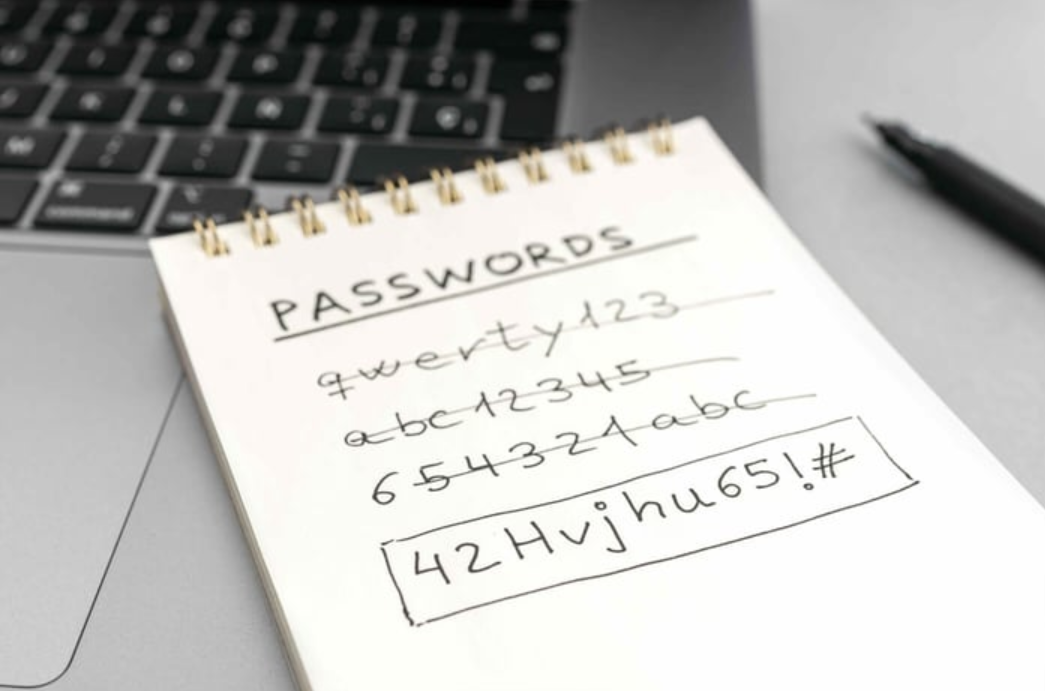
Creating good password practices is one way of protecting the digital you in any meaningful way. Such basic modifications as refuting the use of the same passwords and adhering to powerful and distinct combinations have a great influence on reducing vulnerabilities to a minimal level. Such measures as remembering password managers and switching on two-factor authentication allow an additional couple of barriers to prevent encountering cybercriminals sooner or later.
Passing on password safety as a continuous process instead of a one-time job is a must. Regularly reviewing and updating your passwords, especially for critical accounts, ensures that your security measures stay ahead of evolving threats.
Remaining aware of common tactics used by attackers, such as phishing or exploiting weak devices, can also help you avoid falling victim to preventable breaches.
After all, good passwording habits can do more than secure your accounts; they can also keep your privacy and help you maintain ownership of your personal and professional data and minimize the long-term harm this may cause. These are proactive steps that are actually an investment into your well-being and well-being of your home.