Introduction to Government Shutdowns
A government shutdown happens when funding for federal operations is not approved by Congress, halting certain services and programs. During this time, non-essential federal activities pause, and many government employees are placed on furlough.
For website owners, this scenario can create uncertainties, particularly if your site depends on government-related resources, data, or services. While the effects can vary, understanding the basics of a government shutdown is the first step in identifying potential risks to your site and taking action to address them. Being informed about how shutdowns work can make a significant difference in minimizing disruptions.
Immediate Impacts on Federal Websites
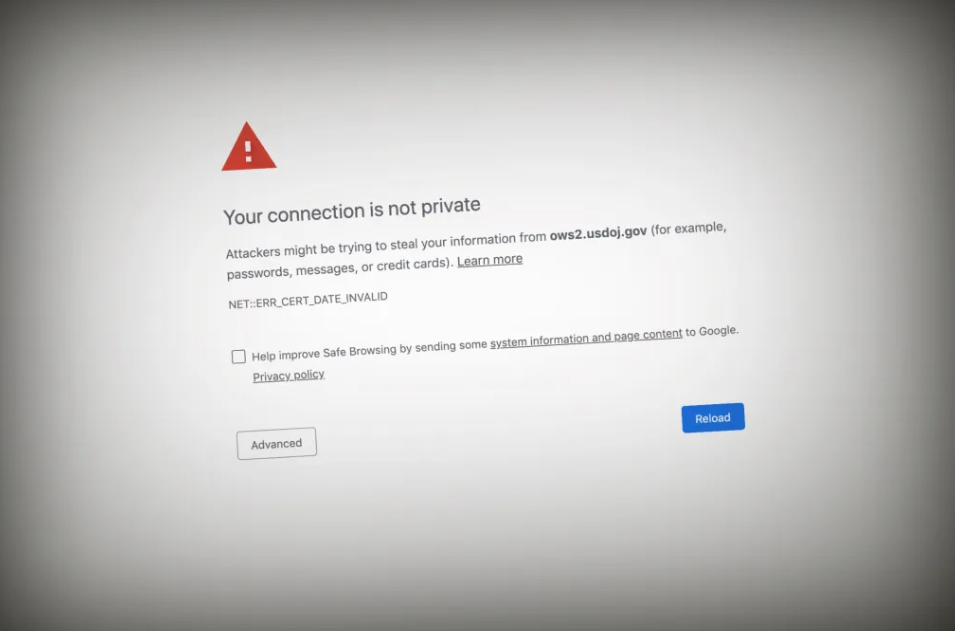
When funding lapses due to a government shutdown, federal websites can face operational challenges. Many sites may stop being updated, and some could even go offline. This happens because the employees responsible for maintaining these sites are placed on furlough, preventing them from performing their duties. As a result, content becomes static, and any issues or technical problems that arise cannot be addressed until the shutdown ends.
For websites that remain accessible, visitors might encounter notices indicating reduced services or outdated information. Certain interactive features, such as search tools or downloadable resources, may no longer function properly if they rely on active management or frequent updates.
Microsites that offer time-sensitive information such as weather forecast, economic recordings, or information on safety issues may be particularly impacted, and this could cause a problem to users that rely on accurate and updated information.
Federal web-based services that integrate with external platforms or private sites might also face interruptions. For example, automated systems that share data or facilitate transactions could stop functioning, creating downstream effects on other websites that depend on these connections. Visitors may experience frustration if they cannot access resources they typically rely on or if their experience on linked non-government websites is disrupted as a result.
Over a longer period of shutdowns these effects layer on each other and make federal sites even less usable and create inconveniences to persons and businesses that use these digital resources. As the situation continues, the absence of regular maintenance or updates increases the likelihood of unresolved technical problems.

Effects on Non-Federal Sites
Websites outside the federal domain can really feel the ripple effects of a government shutdown if their operations involve any kind of federal data, resources, or systems. For instance, many sites depend on APIs provided by government agencies for real-time data integration.
When these APIs are no longer accessible due to the shutdown, the functionality of dependent features can be disrupted. Visitors may encounter incomplete information or outdated content, which can lead to confusion and decreased user satisfaction.
Additionally, businesses or organizations that incorporate federally managed tools, such as mapping services or public datasets, may find these tools inaccessible. This would affect industries such as education and e-commerce, among many others, where these types of integrations take part in the day-to-day processes. The magnitude of the interruption usually depends on the intensity of these sites in terms of their central applications on the federal services.
In the case of such spheres as healthcare, science, or finance, the lack of relevant notifications fed by the government can pose even more issues. Transmission organizations such as research institutions could potentially lose access to important data sets they would have used in their current projects, financial websites may also fall behind in web updates regarding economic indicators.
Another concern is the cascading effect on websites that indirectly rely on federal resources through third-party tools or plugins. If these external platforms lose access to federal data, the impact can extend to your site as well, even if the connection isn’t immediately apparent.
Preparing Your Site for a Shutdown
To keep your site running smoothly during a government shutdown, focus on minimizing dependencies on federal services. Evaluate which features, data, or integrations rely on federal resources and identify areas where disruptions could occur.
Consider finding alternative tools or data sources to replace any that may become unavailable. If your site uses APIs from government agencies, check for backup options or explore commercial APIs that offer similar functionality.
Regularly monitor your site for any unexpected issues that could arise as a result of missing data or disrupted services. Keep your software up to date to ensure it’s compatible with any adjustments you make during this period. Backing up your site and database frequently will provide a safety net in case unforeseen complications arise.
For sites with heavy reliance on federal tools or data, temporary adjustments to your content or features may be necessary. Clearly label any sections of your site that could be affected and communicate these changes transparently to your users. This can help prevent confusion and maintain user trust.
Proactively test your site’s functionality to identify vulnerabilities or points of failure before a shutdown happens. If possible, reach out to your hosting provider or technical team for support in implementing solutions tailored to your specific setup. Partnering with the other businesses in the industry can also give information and ideas on how to overcome obstacles specific to the industry. Planning in advance can also mitigate the catastrophic effect of a shutdown later on.

Legal and Financial Considerations
For businesses that work with federal agencies, a government shutdown can create delays in contract-related payments or project timelines. Depending on the terms of your agreements, there may be clauses addressing these disruptions, so carefully reviewing your contracts is critical.
It’s also wised to document any expenses or delays that result from the shutdown, as this information could be helpful in discussions with your contracting officer or for potential reimbursement processes once normal operations resume.
If your business relies on federally funded grants, the shutdown may temporarily halt the release of funds or approvals for new projects. This may cause problems to the cash flow especially to the bodies that rely on such money to sustain their existence. One thing that can help to counter this is creating financial buffer by way of planning in addition to this, you can attempt contacting your funding agency or grant manager and get their insight as to how to go about such interruptions.
Tax or regulatory requirements related to government agencies would also be affected. Filing deadlines may be adjusted if the responsible offices are closed or operating with limited capacity, but it’s essential to monitor any announcements regarding extensions or procedural changes. Be proactive in keeping records organized and ensuring compliance with any requirements that remain in effect during the shutdown.
Lastly, businesses that collaborate with government entities should assess how these partnerships could be affected in the long term. Delayed projects or paused contracts might influence not only financial performance but also strategic planning. Staying informed about updates from federal partners and understanding the shutdown’s broader implications can better position your business to respond effectively.
Communicating with Your Audience
Be proactive to get your audience updated in case there is any change that can result in the suspension of the operation of your site in case of a government shutdown. Make sure to explain in detail how certain features or data can be impacted and update on frequent basis as things change. Place notifications on prominent pages of your site or design a separate updates page where you can post this information to make it prominently available.
Use various communication tools to make your contact with people. Elaborate discussions can be carried out through email notifications, and more updates can be provided via the social media platform. Make sure that the tone of the message is straightforward and understanding, so as to handle some of the irritations that your users might experience disturbances.
It is also useful to give the users alternative resources or work around where it is possible. It is, for instance, in case certain functionality of your site is currently out of order, in such cases, when redirecting your visitors to some other tool or page where they could possibly watch the corresponding information, make sure to point out to them that the reason why you send them there lies in the fact that certain functionality of your site is currently inaccessible.
This will allow you to cut down one of the pitfalls and show that you will help your users even amid such circumstances.
Invite feedback with easy contact methods in case a user wants to report a problem or clarify something. Timely replies to their requests can help in this case a long way towards sustaining the trust and involvement through the process. By being open and honestly communicating, you tend to create a more significant connection with the audience and revamp your dedication to keeping up with their needs.

Conclusion and Future Outlook
A government shutdown serves as a reminder of how interconnected online services are with federal systems. With a clear understanding of the possible dependency regions and measures to curb the risks, your site becomes resistant to possible disturbances.
Being proactive is paramount, not only in anticipating eventualities during shutdowns, but also as a part and parcel of preparing to deal with eventualities in terms of changes within government operation or government policies/policies of government.
Facilities: Look ahead to invest in those resources that might limit the use of federal tools or data to the degree that they are available. Looking into diversified partnerships, alternative data providers or technology upgrades will make your site spin more resistant.
Observing trends in the industry and cooperating with colleagues is another strategy that will make sure you are not surprised by upcoming issues and your site will be functioning and available to users.
Although the temporary problems that are caused by the government shutdowns cannot be discounted, the situation can be used to assess the long-term viability of your digital operations. Utilize those opportunities to optimize your processes, enhance communication to your audience, and create backup options to plan in case of subsequent scenarios.
With knowledge and preparation, you can have a smooth experience of the users and have your site ready to perform at any unexpected external forces working against it.